Navigating the world of dietary interventions can feel like deciphering a complex map, especially when dealing with autoimmune conditions. The Autoimmune Protocol (AIP) diet plan has emerged as a powerful tool for many seeking to reduce inflammation, alleviate symptoms, and regain control over their health. It's a more stringent version of the Paleo diet, designed to remove potential food triggers that can exacerbate autoimmune responses. Our healthy eating guide provides additional context on how such dietary shifts impact overall wellness. But what exactly does it entail, and is it the right path for you? Let's dive deep into the AIP diet plan and explore its potential benefits and practical application.
At its core, the AIP diet is an elimination and reintroduction protocol. The primary goal is to identify and remove foods that may be contributing to inflammation and immune system dysregulation. This is achieved through a strict elimination phase, followed by a systematic reintroduction phase to determine individual tolerance levels. It’s not a one-size-fits-all solution, but rather a personalized journey to understanding your body's unique needs and responses.
Understanding the AIP Diet: Elimination Phase
The cornerstone of the AIP diet is the elimination phase, where a carefully selected list of foods is temporarily removed from your diet. This phase is crucial for calming the immune system and reducing inflammation. The list of eliminated foods is extensive and includes common culprits often implicated in inflammatory responses. These typically fall into several categories:
- Grains: All grains, including gluten-free options like rice, corn, and oats, are excluded.
- Legumes: Beans, lentils, peas, and peanuts are off-limits due to their lectin and phytate content, which can be inflammatory for some.
- Dairy: All forms of dairy, from milk and cheese to yogurt, are eliminated because of lactose and casein.
- Eggs: Eggs are often removed due to potential sensitivities to albumin and other proteins.
- Nuts and Seeds: These are excluded as they can contain lectins and phytic acid, and seed-based spices are also avoided.
- Nightshades: This includes tomatoes, potatoes (except sweet potatoes), peppers (all kinds), and eggplant, as they contain compounds that can be inflammatory for some individuals.
- Certain Spices: Spices derived from seeds (like cumin, coriander, mustard) and nightshades (like paprika, cayenne) are excluded.
- Refined Sugars and Processed Foods: All added sugars, artificial sweeteners, and processed foods with additives, preservatives, and unhealthy fats are strictly avoided.
- Certain Fats: While healthy fats are encouraged, the use of seed oils (like canola, sunflower, soybean) and margarines is prohibited.
- Alcohol and Coffee: These are typically eliminated due to their potential impact on gut health and inflammation.
The focus during this phase is on nutrient-dense, whole foods that are generally well-tolerated and anti-inflammatory. This typically includes a wide array of colorful fruits, vegetables (excluding nightshades), high-quality animal proteins (grass-fed meats, wild-caught fish), healthy fats (avocado, olive oil, coconut oil), and fermented foods (like kombucha and sauerkraut, provided they don't contain non-AIP ingredients). The aim is to provide the body with the nutrients it needs to heal while minimizing exposure to potential irritants.
Allowed Foods: Building Your AIP Plate
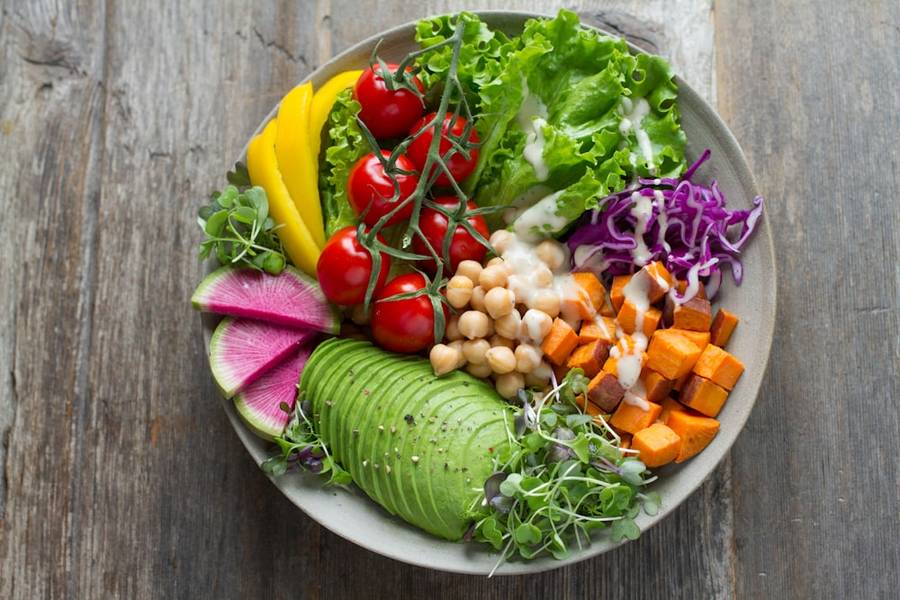
While the elimination list might seem daunting, there's a wealth of delicious and nutritious food that is permitted on the AIP diet. The emphasis is on whole, unprocessed foods that are rich in vitamins, minerals, and antioxidants, all of which play a vital role in supporting the immune system and reducing inflammation. Crafting an AIP-friendly meal plan is about embracing vibrant, wholesome ingredients.
Here's a glimpse into what your AIP plate can look like:
- Vegetables: A wide variety of non-nightshade vegetables are encouraged. Think leafy greens (spinach, kale, arugula), cruciferous vegetables (broccoli, cauliflower, Brussels sprouts), root vegetables (carrots, sweet potatoes, beets), and gourds (zucchini, pumpkin, squash). Aim for a colorful selection to maximize nutrient intake.
- Fruits: All fruits are generally allowed, with a recommendation to moderate intake of high-sugar fruits to help support balanced energy levels. Berries, apples, bananas, and tropical fruits are great choices.
- Proteins: Focus on high-quality, ethically sourced animal proteins. This includes grass-fed beef, lamb, pastured poultry, and wild-caught fish. Organ meats are also highly encouraged for their exceptional nutrient density.
- Healthy Fats: Essential for hormone production and reducing inflammation, healthy fats include avocado, olive oil, coconut oil, and animal fats.
- Fermented Foods: These are excellent for gut health and can help rebalance the microbiome. Examples include kombucha (ensure no added fruit juices or sweeteners that aren't AIP-compliant), sauerkraut, kimchi (ensure no non-AIP spices), and water kefir.
- Herbs and Spices: Fresh herbs like parsley, cilantro, basil, and mint are great. Certain dried herbs and spices not derived from seeds or nightshades are also permitted, such as ginger, turmeric, garlic, and onion powder.
- Broths: Bone broth made from grass-fed animals is a staple for its gut-healing properties and mineral content.
Planning meals around these allowed foods can lead to a diverse and satisfying culinary experience. Many recipes can be adapted to be AIP-compliant, offering creative ways to enjoy your favorite flavors while adhering to the protocol. Focusing on nutrient density and variety ensures you are nourishing your body effectively during this healing phase.
The Reintroduction Phase: Personalizing Your Diet
Once you have successfully adhered to the elimination phase for a significant period (typically 30-90 days, depending on your individual healing progress and symptom reduction), you can begin the reintroduction phase. This is arguably the most critical part of the AIP diet, as it allows you to determine which of the eliminated foods you can tolerate and reintroduce back into your diet. This personalization is key to long-term sustainability and avoiding unnecessary food restrictions.
The reintroduction process is systematic and gradual. You reintroduce one food group at a time, in small amounts, and monitor your body's response closely for 2-3 days before moving on to the next food group. This careful approach helps you pinpoint any specific food sensitivities. If you experience any adverse reactions, such as digestive upset, skin breakouts, joint pain, or fatigue, you stop reintroducing that food and wait to see if symptoms resolve before trying again later or considering it a long-term intolerance.
The typical order of reintroduction often begins with foods that are generally better tolerated and less likely to cause issues, such as:
- Well-cooked Grains: Often starting with white rice or soaked and cooked oats.
- Legumes: Introduced in cooked form, like lentils or beans.
- Eggs: Often starting with yolks first, then whole eggs.
- Nuts and Seeds: Introducing them in various forms.
- Nightshades: Testing tolerance to specific nightshades like peppers or tomatoes.
- Dairy: Typically introduced last, often as ghee or fermented dairy.
The goal of reintroduction is not necessarily to reintroduce every single eliminated food. Instead, it's about discovering your personal "food freedom" – understanding what foods support your health and which ones you may need to continue avoiding or consuming in moderation. This phase empowers you to create a sustainable, individualized eating plan that maximizes your well-being and minimizes inflammation.
Potential Benefits and Considerations
The AIP diet is often pursued by individuals with autoimmune conditions such as Hashimoto's thyroiditis, rheumatoid arthritis, inflammatory bowel disease (IBD), lupus, and psoriasis. While research is still evolving, many individuals report significant improvements in their symptoms. These can include:
- Reduced inflammation and pain
- Improved digestive health (less bloating, gas, and irregularity)
- Increased energy levels
- Clearer skin
- Better sleep quality
- Enhanced mood and cognitive function
However, it's crucial to approach the AIP diet with proper guidance. It's a highly restrictive diet, and its long-term adherence requires careful planning and consideration. Potential challenges include:
- Nutrient Deficiencies: Due to the elimination of entire food groups, there's a risk of missing out on essential nutrients if the diet isn't well-planned. Working with a qualified health professional or a health professional specializing in autoimmune conditions is highly recommended to ensure you are meeting your nutritional needs.
- Social Challenges: Adhering to such a strict diet can be socially isolating at times, making dining out or attending social gatherings more challenging.
- Cost: Prioritizing high-quality, often organic, ingredients can increase the overall cost of groceries.
- Sustainability: The elimination phase is a tool, not a permanent lifestyle for most. The success of AIP hinges on the diligent reintroduction phase to build a sustainable, individualized diet.
Before embarking on the AIP diet, it is highly recommended to consult with your doctor or a qualified nutritionist. They can help you determine if the AIP diet is appropriate for your specific health condition, guide you through the process safely, and monitor your progress effectively.
Frequently Asked Questions
What is the primary goal of the AIP diet?
The primary goal of the Autoimmune Protocol (AIP) diet is to reduce inflammation and calm the immune system by identifying and temporarily eliminating food triggers that may be exacerbating autoimmune symptoms. It aims to promote gut healing and restore overall health.
How long does the elimination phase of the AIP diet typically last?
The elimination phase typically lasts for a minimum of 30 days, but can extend to 90 days or longer, depending on the individual's symptom severity and response. The goal is to achieve significant symptom relief before beginning the reintroduction phase.
Is the AIP diet suitable for everyone?
The AIP diet is generally intended for individuals with autoimmune conditions or chronic inflammation. It is a highly restrictive diet and is not suitable for everyone. It is crucial to consult with a health professional or a health professional before starting the AIP diet to ensure it is appropriate for your specific needs and to receive proper guidance.
Can I drink coffee on the AIP diet?
Typically, coffee is excluded during the elimination phase of the AIP diet due to its potential impact on gut health and its stimulant properties. Some individuals may be able to reintroduce coffee in moderation during the reintroduction phase, but this varies based on individual tolerance.
What are some common AIP-friendly breakfast options?
Common AIP-friendly breakfast options include sweet potato hash with compliant sausage, smoothie bowls made with fruit, coconut milk, and collagen peptides, or leftover AIP-compliant dinner dishes. Focusing on protein and healthy fats can help with satiety.

Written & Reviewed by
Verified Culinary Nutritionist & Recipe SpecialistElena Rostova, MS, CND
Lead Culinary Nutritionist & Meal Planning Specialist
Elena Rostova, MS, CND, is a culinary nutritionist and recipe developer with a Master of Science in Applied Clinical Nutrition from Northeastern University. She has spent over 7 years creating practical, nutrient-dense dietary protocols for clients seeking sustainable weight management. At Best Healthy Plans, Elena crafts step-by-step meal plans, clean eating strategies, and anti-inflammatory recipes that turn complex nutrition guidelines into delicious daily meals.