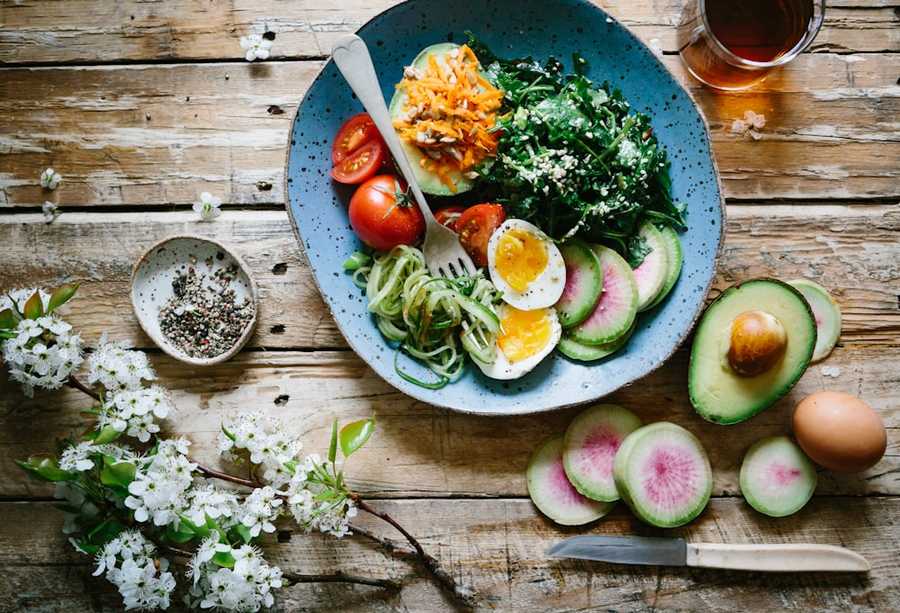
Embarking on a fat loss journey is a common goal for many men, and while it might seem complex, a well-structured diet plan is the cornerstone of success. It's not about drastic starvation or fad diets, but rather about creating a sustainable caloric deficit through smart food choices, consistent fueling, and an understanding of macronutrient balance. Choosing the best foods for weight loss is essential for maintaining satiety while reducing calories. This guide is designed to provide a comprehensive roadmap for men looking to shed excess body fat effectively and healthily, focusing on principles that promote long-term well-being and sustainable results.
We'll delve into the essential components of a fat loss diet plan, from understanding your calorie needs to building balanced meals and incorporating smart strategies to keep you motivated and on track. Remember, consistency is key, and this plan is a flexible framework you can adapt to your lifestyle and preferences.
Understanding the Foundation: Calorie Deficit and Macronutrients
The most fundamental principle of fat loss, for both men and women, is achieving a consistent caloric deficit. This means consuming fewer calories than your body expends. Your total daily energy expenditure (TDEE) is influenced by your Basal Metabolic Rate (BMR) – the calories you burn at rest – and your activity level. To lose fat, you need to create a gap between your caloric intake and your TDEE. A deficit of 500-750 calories per day is generally considered safe and effective for losing 1-1.5 pounds of fat per week.
However, simply cutting calories isn't enough. The quality of those calories and the balance of your macronutrients – protein, carbohydrates, and fats – play a crucial role in satiety, muscle preservation, and overall health during a fat loss phase. For men aiming for fat loss, a macronutrient breakdown often looks something like this:
- Protein (40-50% of calories): Crucial for preserving lean muscle mass during a deficit, protein is also highly satiating, helping you feel fuller for longer. Aim for lean sources like chicken breast, turkey, fish, lean beef, eggs, Greek yogurt, and plant-based options like lentils and tofu.
- Carbohydrates (30-40% of calories): These are your body's primary energy source. Prioritize complex carbohydrates that are rich in fiber, such as whole grains (oats, quinoa, brown rice), vegetables, fruits, and legumes. These provide sustained energy release and aid in digestion. Limit refined carbohydrates like white bread, sugary drinks, and processed snacks.
- Fats (20-30% of calories): Essential for hormone production, nutrient absorption, and overall health, fats should not be feared. Focus on healthy unsaturated fats found in avocados, nuts, seeds, olive oil, and fatty fish (like salmon). Limit saturated and trans fats found in fried foods, processed meats, and baked goods.
It's important to calculate your individual caloric needs. You can use online TDEE calculators as a starting point, but remember these are estimates. Monitoring your progress and adjusting your intake based on how your body responds is key.
Building Your Fat Loss Meal Plan: Structure and Sample Meals
A structured meal plan takes the guesswork out of eating for fat loss. The goal is to distribute your macronutrients and calories throughout the day to manage hunger and maintain energy levels. Aim for 3-5 meals per day, depending on your personal preference and schedule. Each meal should ideally contain a source of lean protein to promote satiety and muscle synthesis.
Here's a template for building your meals:
- Breakfast: Focus on protein and complex carbs to kickstart your metabolism and keep you full until your next meal.
- Lunch: A balanced meal with lean protein, plenty of vegetables, and a moderate portion of complex carbohydrates.
- Dinner: Similar to lunch, emphasizing lean protein and fiber-rich vegetables. Carbohydrate intake can be slightly reduced if desired, especially if you're less active in the evening.
- Snacks (optional): If you experience hunger between meals, opt for protein-rich or fiber-rich snacks to keep you satisfied.
Here’s a sample one-day meal plan for a man aiming for fat loss (adjust portion sizes based on your individual caloric needs):
- Breakfast: 3 scrambled eggs with spinach and mushrooms, 1/2 cup of oatmeal with berries.
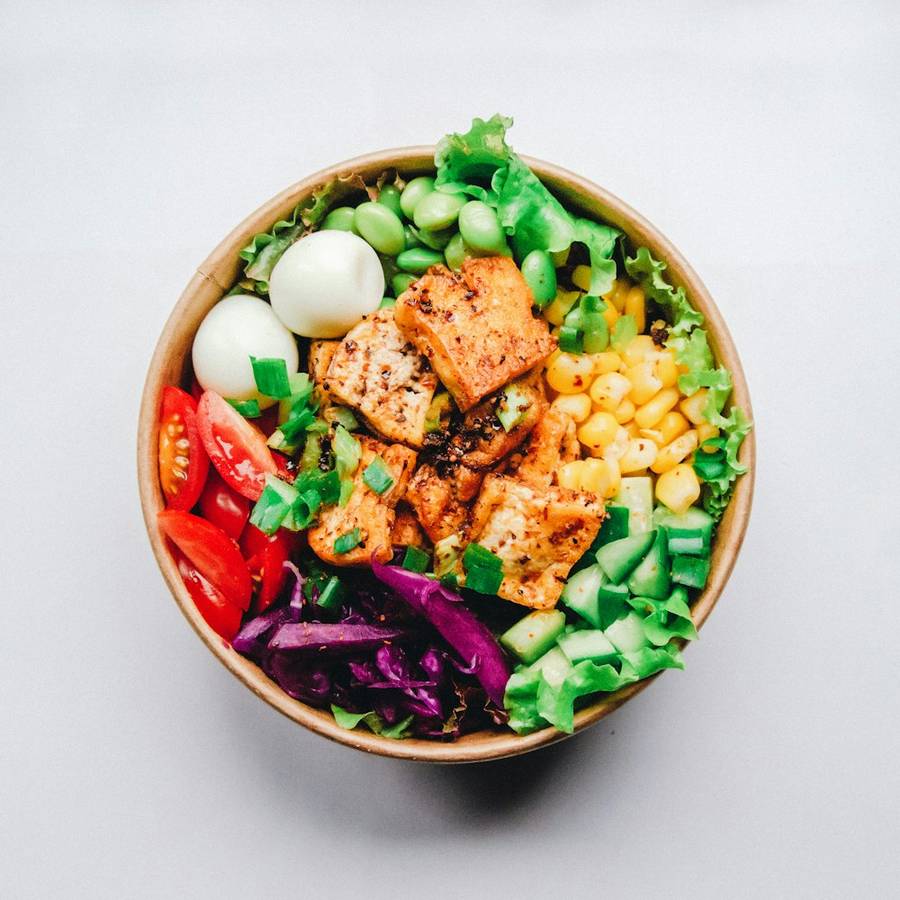
- Lunch: Grilled chicken breast salad with mixed greens, cucumber, tomatoes, bell peppers, and a light vinaigrette dressing. 1/2 cup of quinoa.
- Snack (optional): Greek yogurt with a handful of almonds.
- Dinner: Baked salmon with roasted broccoli and sweet potato.
- Snack (optional): A small apple with a tablespoon of peanut butter.
Remember to hydrate throughout the day. Water is crucial for metabolism, appetite control, and overall bodily functions. Aim for at least 8-10 glasses of water daily, and more if you're exercising.
Incorporating Exercise and Lifestyle Factors
While diet is paramount for fat loss, exercise plays a synergistic role in accelerating results, improving body composition, and enhancing overall health. Combining cardiovascular exercise with strength training is the most effective approach.
Cardiovascular Exercise: Aim for at least 150 minutes of moderate-intensity or 75 minutes of vigorous-intensity aerobic activity per week. Examples include brisk walking, running, cycling, swimming, or HIIT (High-Intensity Interval Training). Cardio burns calories directly and improves cardiovascular health.
Strength Training: Incorporate resistance training 2-3 times per week. Lifting weights builds and preserves muscle mass. Muscle tissue is metabolically active, meaning it burns more calories at rest than fat tissue, which can boost your resting metabolic rate and aid in long-term fat management. Focus on compound exercises that work multiple muscle groups, such as squats, deadlifts, bench presses, overhead presses, and rows.
Beyond diet and exercise, several lifestyle factors significantly impact fat loss. Incorporating habits from our fitness and lifestyle guide can help you stay consistent and achieve your goals faster.
- Sleep: Aim for 7-9 hours of quality sleep per night. Poor sleep disrupts hormones that regulate appetite (ghrelin and leptin), leading to increased hunger and cravings for unhealthy foods.
- Stress Management: Chronic stress can elevate cortisol levels, a hormone that can promote fat storage, particularly around the abdomen. Incorporate stress-reducing activities like meditation, yoga, deep breathing exercises, or spending time in nature.
- Consistency and Patience: Fat loss is a marathon, not a sprint. Be patient with yourself, stay consistent with your diet and exercise plan, and celebrate small victories along the way.
- Mindful Eating: Pay attention to your hunger and fullness cues. Eat slowly, savor your food, and avoid distractions while eating. This can help prevent overeating.
Frequently Asked Questions
Frequently Asked Questions
How quickly can I expect to lose fat?
A safe and sustainable rate of fat loss is typically 1-2 pounds per week. This depends on your starting point, adherence to the plan, and individual metabolism. Rapid weight loss is often unsustainable and can lead to muscle loss and other health issues.
Do I need to cut out all carbs or fats?
No, you do not need to eliminate entire food groups. The focus is on balance and choosing nutrient-dense sources. Complex carbohydrates and healthy fats are essential for energy, hormone production, and satiety. Moderation and portion control are key.
What if I have a busy schedule and can't cook every meal?
Meal prepping can be a game-changer. Dedicate a few hours on the weekend to prepare batches of meals and snacks. Alternatively, choose healthy options when dining out or opt for pre-portioned, healthy frozen meals. Focus on simple, quick recipes.
Will I lose muscle mass if I'm in a calorie deficit?
While some muscle loss can occur during a calorie deficit, it can be minimized by prioritizing adequate protein intake and engaging in strength training. Protein helps preserve muscle tissue, and resistance training signals your body to retain it.
How important is hydration for fat loss?
Hydration is incredibly important. Water is essential for metabolism, can help you feel fuller, and aids in nutrient transport and waste removal. Aim for at least 8-10 glasses of water daily, and increase intake on days you exercise.

Written & Reviewed by
Verified Exercise Physiologist & Sports NutritionistMarcus Sterling, MS, CSCS, CISSN
Exercise Physiologist, Sports Nutritionist & Wellness Specialist
Marcus Sterling, MS, CSCS, CISSN, is an exercise physiologist and certified sports nutritionist with a Master of Science in Kinesiology & Exercise Science from Pennsylvania State University. With a career spanning athletic coaching and supplement research, Marcus focuses on performance optimization, fat loss workouts, sleep architecture, and stress management. At Best Healthy Plans, Marcus reviews exercise protocols, supplement safety, and physical recovery strategies.