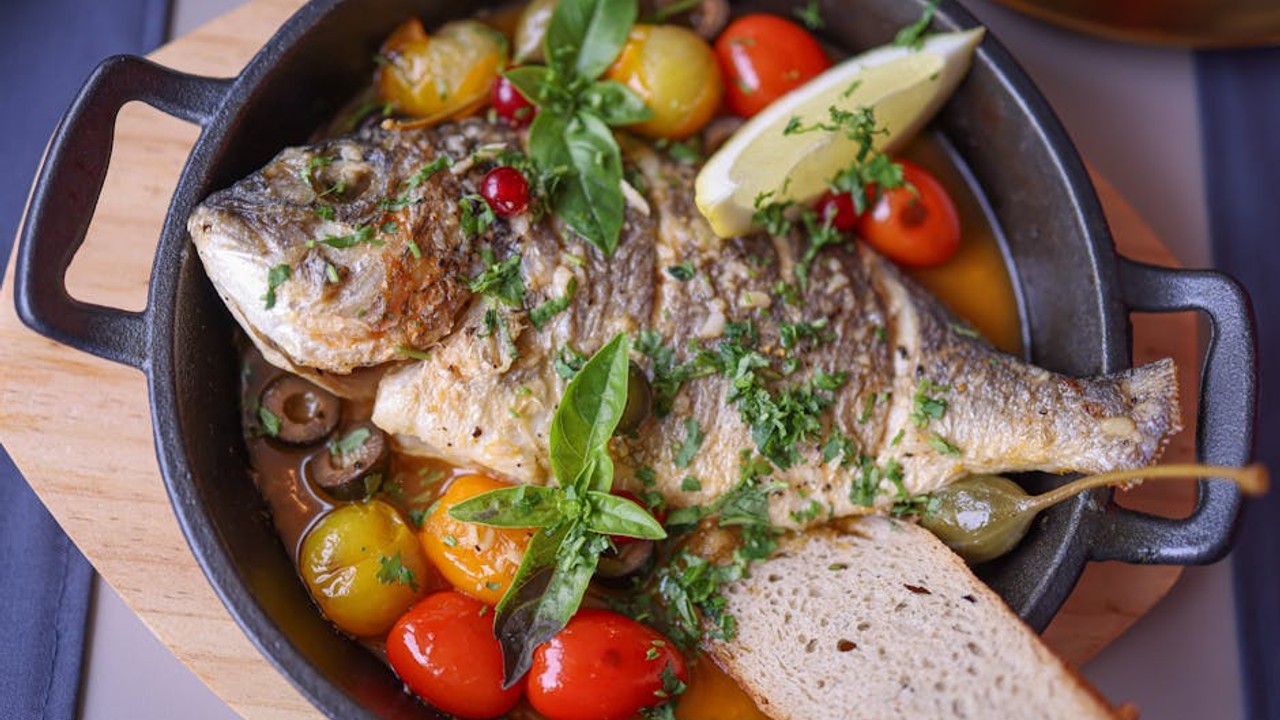
Embarking on a culinary journey often leads us to discover traditions that are not just delicious but profoundly beneficial for our health. Among these, the Mediterranean diet stands out, not as a strict set of rules, but as a lifestyle rich in flavor, seasonality, and mindful eating. Rooted in the eating patterns of countries bordering the Mediterranean Sea, this way of life has been associated with longevity, reduced risk of chronic diseases, and an overall sense of well-being. As discussed in our healthy eating guide, the Mediterranean approach is one of the most studied and recommended patterns for long-term health. But what exactly constitutes this celebrated diet, and why has it garnered so much global acclaim?
The Mediterranean diet is less of a prescriptive "diet" in the modern sense and more of a pattern of eating that emphasizes whole, unprocessed foods. It's a celebration of fresh, seasonal produce, healthy fats, lean proteins, and aromatic herbs and spices. It’s about savoring meals, often shared with loved ones, fostering a connection between food, community, and enjoyment.
The Pillars of Mediterranean Eating
At its core, the Mediterranean diet is built upon a foundation of nutrient-dense, plant-forward foods. This isn't about deprivation; it's about abundance and balance. The key components include:
- Fruits and Vegetables: A kaleidoscope of colors graces the Mediterranean table daily. Think ripe tomatoes, crisp cucumbers, vibrant bell peppers, leafy greens like spinach and kale, and sweet fruits such as figs, grapes, and citrus. These provide essential vitamins, minerals, fiber, and antioxidants.
- Whole Grains: Instead of refined carbohydrates, the focus is on whole grains like barley, oats, quinoa, brown rice, and whole-wheat bread and pasta. These offer sustained energy and a wealth of B vitamins and fiber.
- Legumes: Lentils, chickpeas, beans, and peas are staples, offering a significant source of plant-based protein, fiber, and complex carbohydrates. They are versatile, appearing in soups, stews, salads, and dips.
- Nuts and Seeds: Almonds, walnuts, pistachios, sunflower seeds, and pumpkin seeds are enjoyed in moderation, providing healthy fats, protein, and micronutrients. They are often used as snacks or added to salads and main dishes.
- Healthy Fats: Olive oil, particularly extra virgin olive oil, is the undisputed star. It's used for cooking, dressing, and dipping, contributing monounsaturated fats that are beneficial for heart health. Other healthy fats come from avocados, nuts, and seeds.
- Fish and Seafood: Fatty fish like salmon, mackerel, sardines, and tuna are consumed regularly, typically at least twice a week. They are excellent sources of omega-3 fatty acids, crucial for brain health and reducing inflammation.
- Dairy in Moderation: While not entirely excluded, full-fat dairy products like yogurt and cheese (feta, halloumi, mozzarella) are consumed in smaller quantities and less frequently than in some Western diets.
- Poultry and Eggs: Chicken and other poultry are eaten a few times a week, and eggs are a good source of protein and nutrients.
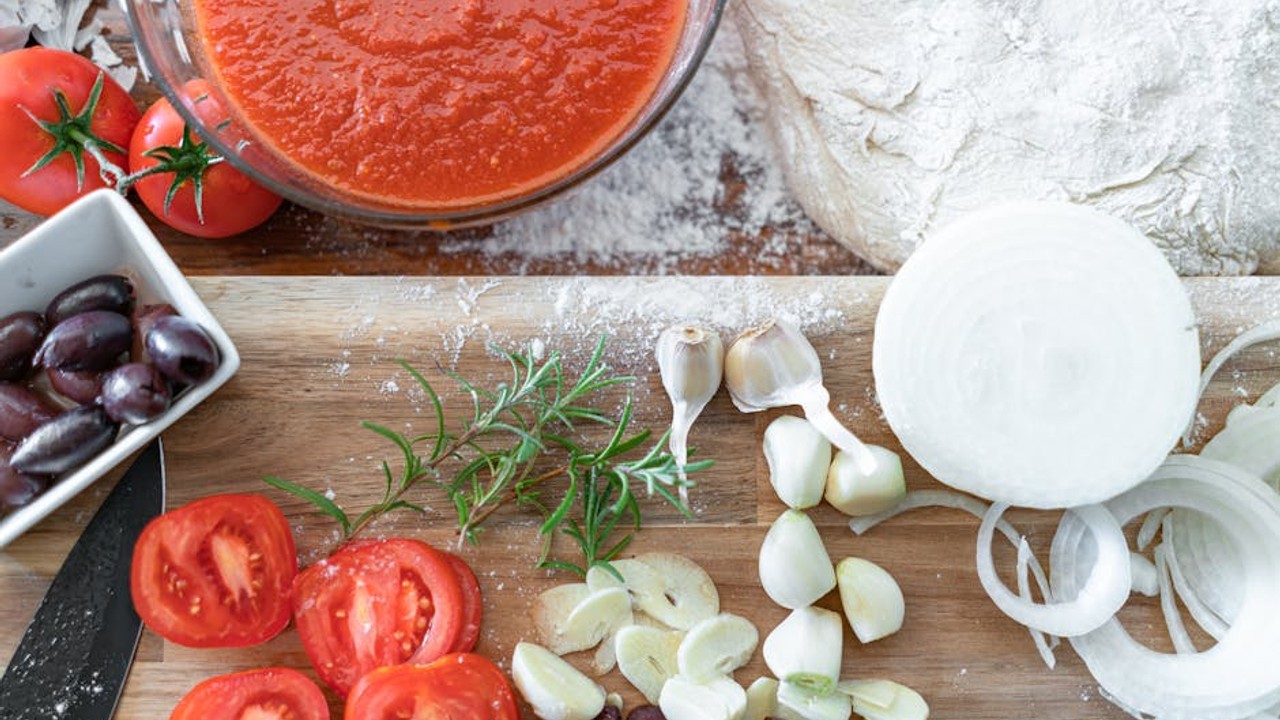
- Herbs and Spices: These are used generously to flavor food, reducing the need for salt and unhealthy fats. Basil, oregano, rosemary, thyme, garlic, and mint are common in Mediterranean cooking.
- Red Wine in Moderation (Optional): For many Mediterranean cultures, a glass of red wine with meals is a social and digestive tradition. However, this is entirely optional and should be consumed responsibly, if at all.
Beyond the Plate: Lifestyle Factors
The Mediterranean diet is more than just a list of foods; it’s an integrated lifestyle that emphasizes physical activity, social connection, and mindful eating. Regular physical activity, often integrated into daily life like walking or gardening, is a cornerstone. Meals are typically savored, enjoyed at a relaxed pace, and often shared with family and friends. This communal aspect of eating fosters a sense of connection and enjoyment, which can positively impact digestion and overall well-being. The emphasis is on fresh, seasonal ingredients, meaning the diet naturally adapts to what's available and at its peak, promoting a sustainable and varied approach to food.
The emphasis on fresh, seasonal ingredients means the diet naturally adapts to what's available and at its peak, promoting a sustainable and varied approach to food. This connection to the land and its bounty encourages a mindful consumption of food, appreciating the journey from farm to table. It’s a holistic approach that nourishes the body and the soul, promoting longevity and a high quality of life.
Health Benefits of the Mediterranean Way
The remarkable health benefits attributed to the Mediterranean diet are a testament to its balanced and nutrient-rich composition. Decades of research have illuminated its positive impact on a wide range of health markers:
- Cardiovascular Health: The high intake of monounsaturated fats from olive oil, omega-3 fatty acids from fish, and fiber from fruits, vegetables, and whole grains contributes to lower LDL ("bad") cholesterol, reduced blood pressure, and a decreased risk of heart disease and stroke.
- Diabetes Prevention and Management: The emphasis on whole grains and fiber helps regulate energy levels, making it an excellent dietary pattern for preventing type 2 diabetes and managing existing conditions.
- Weight Management: While not a calorie-restrictive diet, the focus on whole, unprocessed foods that are high in fiber and protein promotes satiety, helping to curb overeating and support healthy weight management.
- Reduced Risk of Certain Cancers: The abundance of antioxidants from fruits, vegetables, and olive oil helps protect cells from damage, potentially lowering the risk of certain cancers, including colorectal and breast cancer.
- Brain Health: The omega-3 fatty acids and antioxidants found in the Mediterranean diet are crucial for cognitive function and may help reduce the risk of neurodegenerative diseases like Alzheimer's.
- Inflammation Reduction: The anti-inflammatory properties of olive oil, fish, and plant-based foods help combat chronic inflammation, which is linked to numerous chronic diseases.
- Improved Gut Health: The high fiber content from fruits, vegetables, legumes, and whole grains supports a healthy gut microbiome, which is essential for overall health and immunity.
It’s important to remember that the Mediterranean diet is adaptable. While the core principles remain, the specific foods consumed can vary significantly from region to region, reflecting local produce and culinary traditions. This flexibility makes it a sustainable and enjoyable way of eating for people all over the world, offering a pathway to not just better physical health, but a more vibrant and fulfilling life.
Frequently Asked Questions
Is the Mediterranean diet just a diet, or is it a lifestyle?
The Mediterranean diet is widely considered more of a lifestyle than a strict diet. It encompasses not only a pattern of eating but also regular physical activity, communal meals, and a mindful approach to food enjoyment.
Can I follow the Mediterranean diet if I don't live near the Mediterranean Sea?
Absolutely! The principles of the Mediterranean diet are based on readily available ingredients like fruits, vegetables, whole grains, legumes, nuts, seeds, and olive oil, which can be found in most grocery stores worldwide. The focus is on the types of foods, not necessarily their origin.
Is red wine always included in the Mediterranean diet?
Red wine consumption is a traditional part of the Mediterranean lifestyle for some cultures, often enjoyed in moderation with meals. However, it is entirely optional. If you don't drink alcohol or prefer not to, you can fully benefit from the Mediterranean diet without it.
What is the primary source of fat in the Mediterranean diet?
The primary source of fat in the Mediterranean diet is extra virgin olive oil. It is used extensively for cooking, dressing salads, and as a dip, providing healthy monounsaturated fats.
How does the Mediterranean diet help with weight loss?
While not a restrictive weight-loss diet, the Mediterranean diet promotes weight management by emphasizing whole, unprocessed foods that are high in fiber and protein. These foods promote satiety, helping you feel fuller for longer and naturally reducing overall calorie intake without feelings of deprivation.

Written & Reviewed by
Verified Culinary Nutritionist & Recipe SpecialistElena Rostova, MS, CND
Lead Culinary Nutritionist & Meal Planning Specialist
Elena Rostova, MS, CND, is a culinary nutritionist and recipe developer with a Master of Science in Applied Clinical Nutrition from Northeastern University. She has spent over 7 years creating practical, nutrient-dense dietary protocols for clients seeking sustainable weight management. At Best Healthy Plans, Elena crafts step-by-step meal plans, clean eating strategies, and anti-inflammatory recipes that turn complex nutrition guidelines into delicious daily meals.