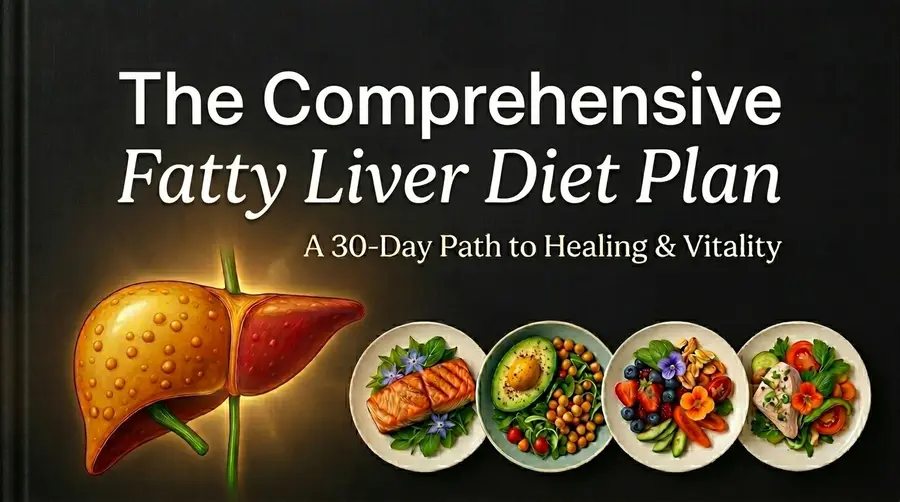
A fatty liver diet plan focuses on reducing added sugar, refined carbohydrates, and saturated fat while increasing fiber, antioxidants, and healthy fats from sources like olive oil, fatty fish, oats, leafy greens, and berries. Alcohol, sweetened drinks, and fried foods are the primary items to eliminate.
Fatty liver disease occurs when excess fat builds up in liver cells. The good news is that diet plays a central role in reversing or managing this condition, especially in its earlier stages.
No extreme detox protocols are needed. Consistent, whole-food choices over time produce the most reliable results and this guide breaks down exactly how to structure them.
Key Takeaways
- A fatty liver diet eliminates sweetened drinks, fried foods, and refined carbs first.
- Leafy greens, fatty fish, olive oil, oats, and berries are among the most studied liver-supportive foods.
- Whole wheat roti in moderate portions is acceptable. Maida-based and deep-fried versions are not ideal.
- Two weeks of clean eating starts the recovery process but longer-term consistency is what produces lasting results.
- Combining dietary changes with daily walking accelerates liver fat reduction.
- Rapid weight loss can temporarily worsen fatty liver. Slow and steady is the right approach.
What Is the Best Diet Plan for a Fatty Liver
The most evidence-supported dietary approach for fatty liver is a Mediterranean-style eating pattern. It emphasizes plant-based foods, mental health fats, and lean protein while limiting processed and sugary foods.
Core Principles of a Fatty Liver Diet
● Reduce total added sugar intake, especially fructose from sweetened drinks
● Replace refined carbs with fiber-rich whole grains
● Include healthy fats from olive oil, avocado, and nuts instead of saturated fat
● Eat fatty fish two to three times per week for omega-3 fatty acids
● Fill half of every plate with vegetables
● Stay well hydrated with water throughout the day
5 Superfoods That Support Liver Health
● Leafy greens: Spinach, kale, and arugula contain compounds that help reduce fat deposits in the liver
● Fatty fish: Salmon, sardines, and mackerel provide omega-3 fatty acids that reduce liver inflammation
● Olive oil: Replacing butter with extra virgin olive oil supports liver function
● Oats: High in beta-glucan fiber, oats help reduce fat absorption and support a healthy gut microbiome
● Berries: Blueberries and cranberries are rich in antioxidants that protect liver cells from damage
Foods to Avoid With Fatty Liver
● Alcohol: The most significant dietary contributor to liver damage in alcoholic fatty liver disease
● Sweetened beverages: Soda, juice, and energy drinks are high in fructose, which the liver converts directly to fat
● White bread, white rice, and refined pasta: These spike blood sugar and increase fat storage in the liver
● Fried foods and fast food: High in trans fats and saturated fats that worsen liver inflammation
● Packaged snacks and baked goods: Often contain high-fructose corn syrup and trans fats
How to Reduce Fatty Liver in 14 Days With Diet
● Eliminate sweetened drinks completely and replace with water or herbal tea
● Remove fried foods and processed snacks from daily eating
● Add one serving of leafy greens to lunch and dinner each day
● Replace white rice or refined grains with oats, quinoa, or brown rice
● Eat fatty fish at least twice during the two-week period
● Walk for 20 to 30 minutes daily to support fat metabolism
Elevated triglycerides frequently accompany fatty liver disease because the liver processes excess fat into blood triglycerides. If this is a concern alongside fatty liver, the 7-day diet to lower triglycerides covers the specific food swaps that address both conditions at the same time.
7-Day Fatty Liver Meal Plan
Day 1
● Breakfast: Oatmeal with blueberries, flaxseeds, and unsweetened almond milk
● Lunch: Grilled salmon with a large spinach and cucumber salad dressed with olive oil and lemon
● Dinner: Baked chicken breast with roasted broccoli and quinoa
● Snack: A small handful of walnuts
Day 2
● Breakfast: Scrambled eggs with spinach, tomatoes, and whole grain toast
● Lunch: Lentil soup with a side of steamed green beans
● Dinner: Stir-fried tofu with bok choy, garlic, and brown rice
● Snack: A pear and a few almonds
Day 3
● Breakfast: Greek yogurt (unsweetened) with mixed berries and chia seeds
● Lunch: Whole wheat wrap with grilled turkey, avocado, and leafy greens
● Dinner: Baked mackerel with roasted asparagus and a small sweet potato
● Snack: Celery sticks with hummus
Day 4
● Breakfast: Veggie omelette with mushrooms, onions, and bell peppers
● Lunch: Chickpea and vegetable salad with olive oil and lemon dressing
● Dinner: Grilled shrimp with cauliflower rice and steamed broccoli
● Snack: A small orange
Day 5
● Breakfast: Overnight oats with raspberries, cinnamon, and almond milk
● Lunch: Black bean soup with a side salad
● Dinner: Baked salmon with green beans and a small portion of brown rice
● Snack: A boiled egg and a few cherry tomatoes
Day 6
● Breakfast: Smoothie with spinach, cucumber, a small banana, flaxseed, and almond milk
● Lunch: Grilled chicken salad with arugula, walnuts, and olive oil
● Dinner: Turkey and vegetable stir-fry with zucchini noodles
● Snack: A small apple with almond butter
Day 7
● Breakfast: Whole grain toast with mashed avocado and a poached egg
● Lunch: Grilled tuna over a bed of mixed greens with olive oil and balsamic vinegar
● Dinner: Slow-cooked chicken with kidney beans, tomatoes, and herbs
● Snack: A handful of mixed berries
What Is the Fastest Way to Heal a Fatty Liver
The fastest meaningful improvement comes from combining consistent dietary changes with regular physical activity. The two changes with the most immediate impact are eliminating sweetened beverages entirely and adding 30 minutes of moderate walking or exercise daily.
For people managing fatty liver alongside excess weight, structured weight loss supports liver recovery directly. A gradual, sustainable approach to fat loss such as the one outlined in how to lose 20 pounds in a month can complement a liver-focused diet without risking the inflammation that comes with rapid weight loss.
Expert Insights for Fatty Liver Recovery
● Portion control matters as much as food quality. Overeating healthy food still contributes to excess calorie storage in the liver
● Unsweetened black coffee in moderation has shown associations with lower liver enzyme levels in research settings
● Poor sleep is linked to insulin resistance, which worsens fat accumulation in the liver
● Gradual weight loss of 1 to 2 pounds per week is more beneficial for the liver than rapid weight loss, which can temporarily worsen inflammation
Frequently Asked Questions
What is the best diet plan for a fatty liver?
A Mediterranean-style diet is the most evidence-supported approach for fatty liver. It focuses on vegetables, whole grains, fatty fish, olive oil, legumes, and limited sugar and saturated fat.
How to reduce fatty liver in 14 days?
Remove sweetened drinks, fried foods, and refined carbs completely. Add leafy greens, fatty fish, oats, and olive oil. Walk for 20 to 30 minutes daily. These changes begin reducing liver inflammation within two weeks.
What are the 5 superfoods for the liver?
Leafy greens, fatty fish, olive oil, oats, and berries are among the most studied foods for liver health. They reduce inflammation, lower liver fat, and protect liver cells from oxidative damage.
What is the fastest way to heal a fatty liver?
Eliminating sweetened beverages and adding daily moderate exercise produces the fastest measurable improvement. Diet alone without physical activity is significantly less effective.
Can I eat roti in fatty liver?
Whole wheat roti in small to moderate portions is acceptable. It provides fiber and is better than white bread. Avoid maida-based roti and heavily oiled paratha.
What is a good 7-day meal plan for fatty liver disease?
A good 7-day plan rotates between oats, eggs, grilled fish, leafy salads, legumes, and roasted vegetables. Each day avoids processed food, alcohol, and added sugar while staying hydrated with water.
Final Thoughts
Fatty liver responds well to dietary changes when those changes are consistent and realistic. You do not need a strict detox diet or extreme restrictions.
Focus on removing the most harmful foods first, then build in the liver-supportive foods over time. Always work with your healthcare provider to monitor liver health and adjust your approach based on your individual situation.
Frequently Asked Questions
What is the best diet to go on for a fatty liver?
What foods clear up fatty liver?
What is the fastest way to reduce fatty liver?
Is a 2-egg-a-day breakfast bad for fatty liver?
What fruit is best for fatty liver?
Should I avoid all forms of sugar?

Dr. Emily Carter, MD
Nutrition-Focused Physician & Clinic Director
Carter Nutrition & Wellness Clinic · Austin, Texas
Dr. Emily Carter guides the nutrition resources at Carter Nutrition & Wellness Clinic in Austin, Texas. This educational website provides general nutrition guidance and evidence-aware dietary frameworks designed to help you achieve long-term wellness.