Let’s talk about the ultimate siren song of the weight-loss world. When you are desperate to drop a few pounds fast—whether for an upcoming vacation, a wedding, or sheer frustration—internet forums and dodgy fitness blogs invariably whisper the magic, dangerous number: the 1,000-calorie diet.
Written by: Maya Lin, MS, CSCS | Medically Reviewed by: Dr. Elena Rostova, MD (Sports Medicine & Metabolic Health)
Last updated: August 4, 2026
The 1,000-Calorie Diet Trap: Why Starving Yourself Is Wrecking Your Body
It sounds bulletproof on paper: If my body burns 2,000 calories a day and I only eat 1,000, I’ll shred fat twice as fast, right?
Before you slash your daily food intake down to what a toddler eats, hold up. A 1,000-calorie diet isn’t a clever shortcut; it is a full-blown biological emergency that will completely backfire on your physique, your metabolism, and your sanity.
Let’s look at the brutal, unvarnished truth of what happens when you starve your body, why it’s a total trap, and how to lose fat the right way.
What Is a 1,000-Calorie Diet, Anyway?
Medically speaking, a 1,000-calorie diet falls into the terrifying category of a Very Low-Calorie Diet (VLCD).
To put that into perspective, 1,000 calories is roughly what a resting toddler needs to survive. For an active adult, it represents an aggressive, punishing caloric deficit of 50% to 60%. Sure, doctors occasionally prescribe VLCDs under strict, 24/7 medical supervision for severely obese patients preparing for surgery. But using it as a DIY weight-loss hack? That’s like pouring sugar into your car’s gas tank because you want it to run faster.
The 4 Brutal Things That Happen When You Eat 1,000 Calories
Your body doesn’t know you’re trying to look great in a swimsuit; it thinks you are trapped in the middle of a brutal, apocalyptic famine. When you drop calories to rock-bottom, your internal survival mechanisms scream red alert:
1. Your Metabolism Goes Into the Witness Protection Program
To keep you from wasting away, your body panics and aggressively slams down your thyroid hormone production. Your resting metabolic rate (RMR) plummets, meaning your body burns fewer and fewer calories just to survive. You essentially train your body to store every single bite of food like a camel storing water.
2. You Cannibalize Your Own Muscle (Hello, “Skinny-Fat”)
When your body is starved of energy, it doesn’t just pull from fat storage—it gets lazy and starts breaking down your hard-earned muscle tissue for amino acid fuel. You aren’t just losing fat; you are losing your strength, your athletic tone, and your metabolic engine.
3. Your Hair Falls Out and Fatigue Hits Hard
It is mathematically impossible to squeeze enough protein, iron, healthy fats, calcium, and essential vitamins into just 1,000 calories of food. Chronic VLCDs routinely lead to crushing brain fog, brittle nails, severe hair shedding, wrecked immunity, and total hormonal chaos.
4. The Inevitable, Vicious Binge-Rebound
You can white-knuckle your way through starvation mode for a week or two out of sheer willpower. But biology always wins. Your brain’s primary hunger hormone (ghrelin) surges through the roof, while your fullness hormone (leptin) crashes to zero. The result? A massive, uncontrollable binge that obliterates your progress and often leaves you heavier than when you started.
The Smart Alternative: Sustainable Fat Loss
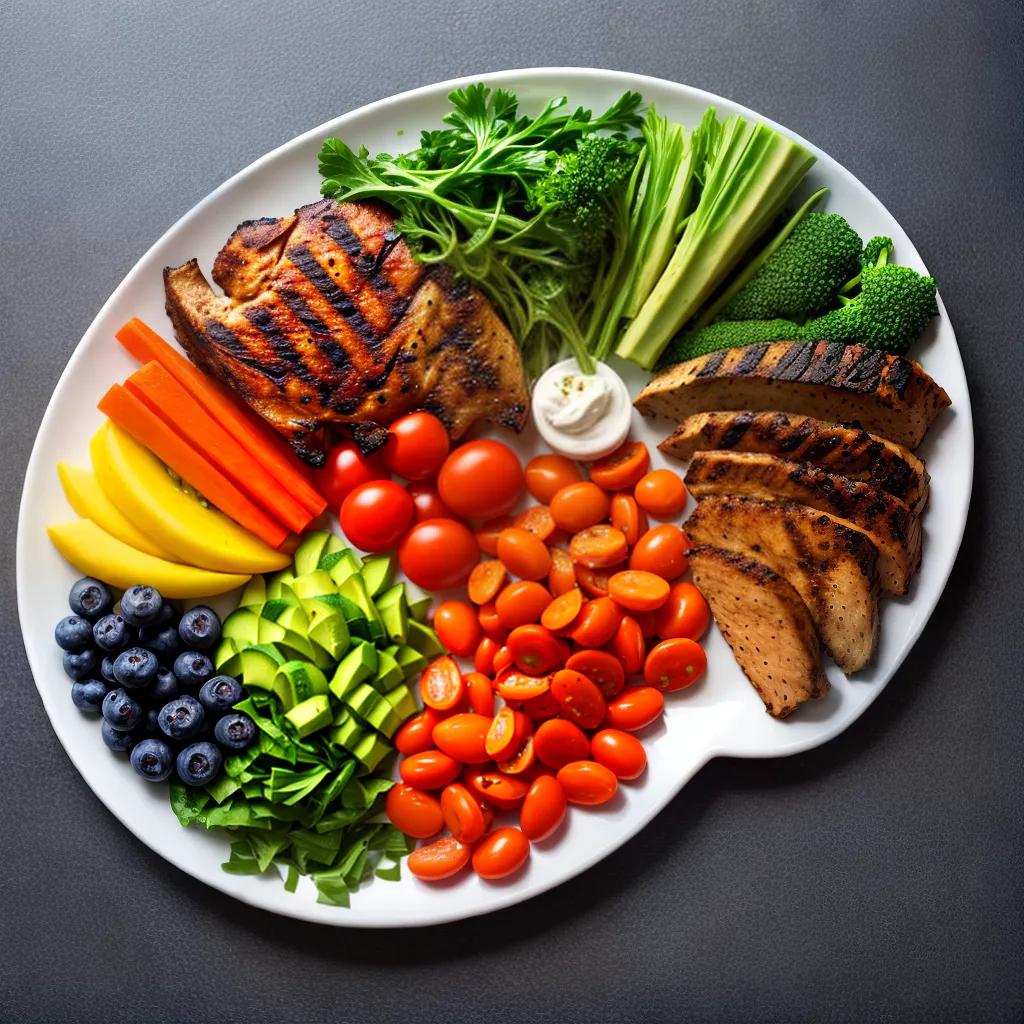
If starving yourself on 1,000 calories is a trap, how do you actually get lean without losing your mind? The answer is less sexy, but it actually works: a smart, moderate deficit.
- The Math: Aim for a mild deficit of 15% to 20% below maintenance (usually around 1,500 to 1,800 calories for most active adults).
- Protein is King: Keep your protein high (0.8 to 1 gram per pound of target body weight) to protect your muscle tissue while you drop fat.
- Lift Heavy Weights: Tell your body that your muscles are mission-critical by continuing to resistance-train.
- Play the Long Game: Sustainable fat loss happens at a steady 1 to 2 pounds per week. It takes a little patience, but unlike the 1,000-calorie trap, the results actually stick.
The Bottom Line
The 1,000-calorie diet is a toxic trap that promises lightning-fast results but delivers metabolic damage, muscle wasting, and intense misery. Ditch the starvation tactics, fuel your body with real, nutrient-dense food, and treat your metabolism with the respect it deserves.
Medical Disclaimer: This article is for informational and educational purposes only and does not constitute medical advice. Consult a qualified healthcare professional or registered dietitian before making drastic changes to your caloric intake or starting any weight-loss program.
.png)
Written by
Sarah Mitchell
Health & Wellness Writer
Sarah Mitchell is a health and wellness writer focused on nutrition, healthy eating, and practical lifestyle topics. She creates well-researched, accessible content designed to help readers explore everyday health and wellness.