.png)
Intermittent fasting (IF) is less a diet and more an approach to timing your meals. Rather than prescribing specific foods, it defines when you eat. From an informational perspective, I find IF useful for many clients because it can simplify meal planning and help manage calorie intake naturally — but it is not a one-size-fits-all solution. This guide covers everything you need to build a practical, sustainable IF schedule. Depending on your goals, a gluten and wheat free diet plan can also be a perfect complement to this approach.
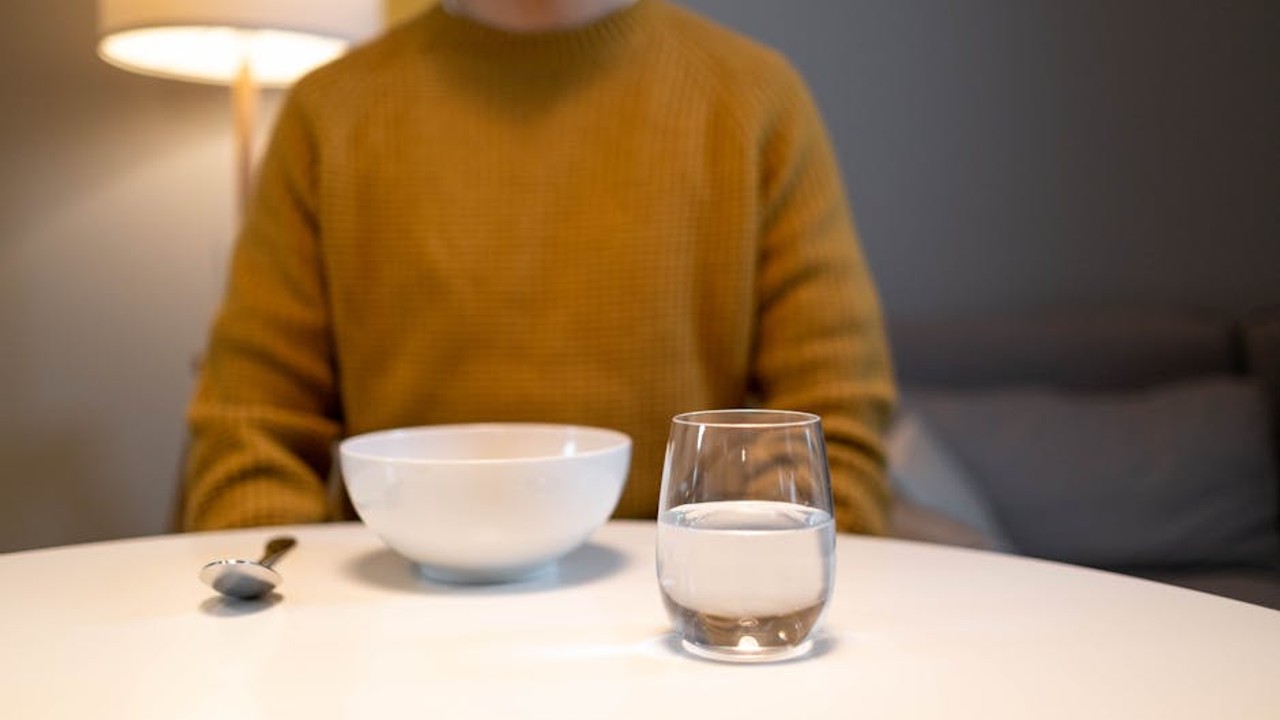
What Is Intermittent Fasting?
Intermittent fasting alternates periods of eating with periods of fasting. During the fasting window, your body depletes readily available glucose and begins drawing on stored fat for energy — a metabolic shift that underpins many of IF's reported benefits. Common goals include weight management, improved insulin sensitivity, and reduced inflammation, though individual responses vary considerably. For those looking to broaden their approach, checking out a menopause diet 5 day plan can provide excellent supplementary benefits.
Common Intermittent Fasting Windows
The 16:8 method is the most studied and beginner-friendly approach.
The 4 Main IF Methods Compared
| Method | Schedule | Best For | Difficulty |
|---|---|---|---|
| 16:8 | 8-hour eating window daily | Beginners, busy schedules | Easy |
| 18:6 | 6-hour eating window daily | Intermediate fasters | Moderate |
| 5:2 | 5 normal days, 2 at ~500 kcal | Those who prefer daily flexibility | Moderate |
| OMAD | One meal per day (~1 h window) | Experienced fasters only | Advanced |
7-Day Sample Intermittent Fasting Schedule (16:8 — Noon to 8pm)
Adjust the eating window to suit your lifestyle — the exact hours matter less than consistency. Coffee and water are fine during the fasting hours.
| Day | First Meal (12pm) | Snack (3pm) | Last Meal (7:30pm) |
|---|---|---|---|
| Mon | Grilled chicken salad, olive oil dressing | Apple + 2 tbsp almond butter | Salmon, roasted broccoli, quinoa |
| Tue | Lentil soup + wholegrain roll | Greek yoghurt + mixed berries | Turkey stir-fry, mixed veg, brown rice |
| Wed | Spinach and feta egg frittata | Walnuts + an orange | Baked cod, sweet potato, steamed greens |
| Thu | Tuna and avocado wrap | Carrot sticks + hummus | Beef and vegetable stew, wholegrain roll |
| Fri | Roasted chickpea and veg bowl | Cottage cheese + pineapple | Grilled chicken thighs, cauliflower rice |
| Sat | Smoked salmon scrambled eggs | Mixed nuts + green tea | Prawn and vegetable curry, basmati rice |
| Sun | Mixed leaf salad, grilled halloumi, seeds | Banana + peanut butter | Slow-cooked lamb, roasted root vegetables |