Vegan Diet Plan

Sarah Mitchell Sarah Mitchell ·
This article is for general informational purposes only.

A well-planned whole-food vegan diet can support excellent health at every life stage. From a nutrition perspective, the emphasis is on whole foods — vegetables, legumes, whole grains, nuts, and seeds — rather than heavily processed vegan alternatives. This 7-day plan is designed to be nutritionally complete, practical, and genuinely enjoyable to eat. For those looking to broaden their approach, checking out a how to lose 10kg in a month can provide excellent supplementary benefits.
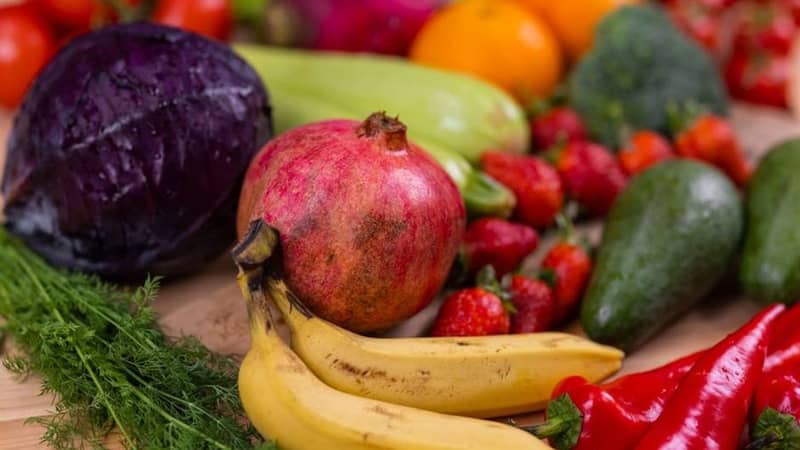
Colourful spread of plant-based foods including vegetables, legumes, grains, nuts, and seeds

Key Nutrients to Monitor on a Vegan Diet

Plant Protein Sources — Protein per 100g

Hemp seeds 32g Tempeh 19g Edamame 11g Lentils (cooked) 9g Firm tofu 8g Chickpeas (cooked) 8g Protein per 100g (cooked where applicable)
NutrientWhy It MattersBest Vegan SourcesSupplement?
Vitamin B12Nerve function, red blood cell productionFortified foods only (plant milks, nutritional yeast, cereals)Yes — essential
Vitamin DBone health, immunity, moodSunlight, fortified foods, mushrooms (UV-exposed)Usually yes
Omega-3 (DHA/EPA)Brain health, inflammationALA from flaxseed, walnuts, chia (inefficiently converted)Consider algae oil
IronOxygen transport, energyLentils, tofu, spinach, pumpkin seeds (pair with vitamin C)If blood test low
CalciumBone density, muscle functionFortified plant milks, tofu (set with calcium), kale, almondsUsually not needed
IodineThyroid functionIodised salt, seaweed (kelp — in moderation)Consider supplementing

7-Day Whole-Food Vegan Meal Plan

DayBreakfastLunchDinnerSnack
MonPorridge, banana, hemp seeds, almond butterLentil and vegetable soup, wholegrain breadTofu stir-fry, broccoli, peppers, brown riceEdamame + sea salt
TueTofu scramble, spinach, tomatoes, wholegrain toastChickpea and avocado wrap, mixed leavesRed lentil dal, cauliflower, basmati riceApple + walnut butter
WedOvernight oats, chia, blueberries, soy milkQuinoa bowl, roasted veg, tahini dressingBlack bean tacos, salsa, guac, corn tortillasHummus + veggie sticks
ThuSmoothie: soy milk, spinach, mango, flaxseedTempeh and roasted sweet potato bowlMushroom and lentil shepherd’s pie, mashMixed seeds + dried cranberries
FriSoy yoghurt, mixed berries, granola, pumpkin seedsWarming miso soup, silken tofu, edamame, sobaButternut squash curry, spinach, naan (vegan)Dark chocolate (85%) + almonds
SatAvocado toast, nutritional yeast, cherry tomatoesThree-bean chilli, wholegrain pittaBaked aubergine with lentil ragu, green saladRoasted chickpeas
SunVegan pancakes, banana, maple syrup, flaxmealBig rainbow salad, white beans, lemon dressingTeriyaki tempeh, pak choi, sesame, noodlesRice cakes + peanut butter

Essential Vegan Supplements

Take Daily

  • Vitamin B12: 250–1000mcg cyanocobalamin or methylcobalamin
  • Vitamin D3: 1000–2000 IU (lichen-derived for vegan D3)
  • Algae-based omega-3: 250–500mg DHA+EPA combined

Consider Based on Blood Tests

  • Iodine: Especially if you do not use iodised salt
  • Iron: If ferritin is low — take with vitamin C, away from tea
  • Zinc: Absorption from plants is lower than animal sources

Always consider speaking with a health professional or a health professional before starting new supplements, particularly at high doses. Depending on your goals, a intermittent fasting diet plan can also be a perfect complement to this approach.

Explore Related Diet Plans

Frequently Asked Questions

How do I get enough protein on a vegan diet?
Meeting protein needs on a vegan diet is absolutely achievable with planning. Focus on a variety of plant protein sources daily: lentils, chickpeas, black beans, edamame, tofu, tempeh, seitan, hemp seeds, and nutritional yeast. Aim for 1.4u20131.8g of protein per kg of bodyweight, and distribute protein across all meals rather than concentrating it in one sitting.
What supplements do vegans need?
The most essential supplement for vegans is vitamin B12, which is not reliably found in plant foods. Other nutrients commonly supplemented include vitamin D3 (from lichen for a vegan source), long-chain omega-3s (algae-based DHA/EPA), and iodine (if not using iodised salt). Iron, calcium, and zinc can usually be met through diet, but individual needs vary u2014 a blood test with your GP can guide you.
Is a vegan diet suitable for weight loss?
Yes u2014 whole-food plant-based diets are consistently associated with lower body weight in population studies. Plant foods tend to be high in fibre and water content, which promotes satiety at fewer calories. However, processed vegan foods (vegan cheese, meat alternatives, pastries) can be calorie-dense. Focusing on whole foods is key.
How do I ensure I'm eating complete proteins as a vegan?
Eating a variety of plant proteins throughout the day covers all essential amino acids. You do not need to combine complementary proteins at every meal u2014 this is an outdated concept. Simply including a range of legumes, whole grains, nuts, seeds, and soy products each day ensures you get the full amino acid spectrum.
What are easy high-protein vegan breakfasts?
Practical high-protein vegan breakfasts include: tofu scramble (18u201322g protein), overnight oats with hemp seeds and nut butter (15u201320g), a smoothie with protein powder and soy milk (20u201325g), or soy yoghurt with chia seeds and mixed nuts (15g). Breakfast is a great opportunity to front-load protein intake.
Sarah Mitchell

Written by

Sarah Mitchell

Health & Wellness Writer

Sarah Mitchell is a health and wellness writer focused on nutrition, healthy eating, and practical lifestyle topics. She creates well-researched, accessible content designed to help readers explore everyday health and wellness.