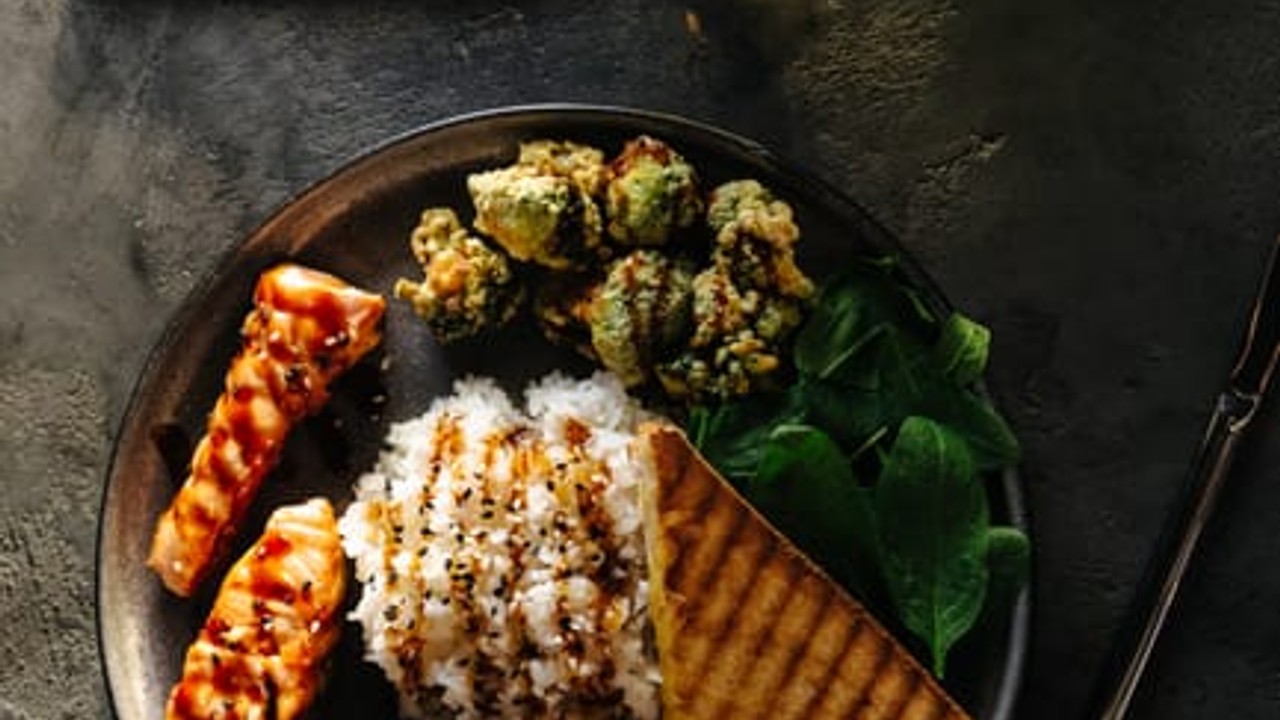
Lean eating is less a specific diet and more a set of nutritional principles applied consistently over time. As a nutrition professional, I think of it as the sustainable middle ground between aggressive cutting cycles and untracked eating — a way of building and maintaining a healthy body composition without extreme restriction or constant variation in eating habits.
The Core Principles
1. Protein as the Foundation
Adequate protein is the non-negotiable pillar of lean eating. Protein preserves and builds muscle mass, increases satiety more effectively than carbohydrates or fat, has the highest thermic effect of food (your body burns more calories digesting protein than other macronutrients), and supports recovery from training. Aim for 1.6–2.2 g per kg of body weight daily, distributed across 3–4 meals.
2. Volume Eating with Vegetables
Non-starchy vegetables — broccoli, spinach, courgette, cucumber, peppers, mushrooms, asparagus — are the lean eater's most powerful tool. They provide significant volume (making meals feel large and satisfying), minimal calories, fibre that slows digestion and improves satiety, and a broad range of micronutrients. Aim for at least 400–600 g of non-starchy vegetables daily.
3. Strategic Carbohydrates
Lean eating does not require eliminating carbohydrates. It does require being deliberate about them. Prioritise whole food carbohydrates — oats, brown rice, sweet potato, whole grain bread, legumes, and fruit. Time larger carbohydrate portions around training (before and after workouts), when your body's insulin sensitivity and glucose uptake are highest. Reduce refined carbohydrates and added sugar, which provide calories with minimal satiety or nutritional return.
4. Healthy Fats in Moderate Amounts
Fat is calorically dense (9 kcal/g versus 4 kcal/g for protein and carbohydrates), so portion awareness matters. But healthy fats are not the enemy — they support hormone production, fat-soluble vitamin absorption, and have their own satiety effect. Focus on olive oil, avocado, nuts, seeds, and oily fish. Use portion control (1 tbsp oil = ~120 kcal; 30 g nuts = ~170 kcal) rather than elimination.
5. Resistance Training as a Non-Optional Complement
Lean eating paired with no training produces fat loss. Lean eating paired with consistent resistance training produces improved body composition — simultaneously maintaining or building muscle while reducing fat. The combination is significantly more effective than diet alone for achieving the body composition associated with "lean."
Macros for Lean Eating (Sample Target — 75 kg Person)
| Macronutrient | Target Range | Grams (example) | Calories |
|---|---|---|---|
| Protein | 1.8–2.0 g/kg | 135–150 g | 540–600 kcal |
| Carbohydrates | 40–45% of calories | 180–225 g | 720–900 kcal |
| Fat | 25–30% of calories | 55–75 g | 495–675 kcal |
| Total | — | — | ~1,900–2,100 kcal |
7-Day Lean Eating Meal Plan
| Day | Breakfast | Lunch | Dinner | Snack |
|---|---|---|---|---|
| Mon | 5 egg whites + 1 whole egg scrambled, ½ cup oats, berries | 150 g chicken breast, large salad, 100 g chickpeas, lemon | 150 g salmon, 400 g mixed roasted vegetables, 80 g sweet potato | 200 g Greek yogurt (0%) + 1 tbsp chia |
| Tue | 50 g oats, almond milk, 30 g protein powder, banana | 150 g tuna (in water), 100 g quinoa, mixed leaves, cucumber | 150 g chicken thigh (skin off), stir-fried vegetables (broccoli, courgette, peppers) | 2 boiled eggs + 10 almonds |
| Wed | 200 g Greek yogurt, 1 cup berries, 30 g granola (low-sugar) | 150 g prawns, 100 g brown rice, Asian-style vegetable salad | 150 g lean beef mince (5% fat) with courgette noodles and tomato sauce | 1 apple + 20 g pumpkin seeds |
| Thu | 3 eggs scrambled, spinach, 1 slice wholegrain toast | 150 g tofu, 150 g lentils, roasted vegetables, turmeric dressing | 150 g cod, steamed broccoli and green beans, 80 g quinoa | 200 g cottage cheese + cherry tomatoes |
| Fri | Smoothie: 30 g protein, spinach, banana, almond milk, chia | 150 g chicken, 100 g sweet potato, 300 g roasted vegetables | 150 g sirloin steak (trimmed), large salad with olive oil and lemon | 2 rice cakes + 2 tbsp almond butter (small) |
| Sat | 3 egg omelette with peppers, mushrooms, feta (small amount) | Large mixed bean salad with 100 g tuna, avocado (¼), lemon | 150 g salmon, roasted asparagus and courgette, wild rice | 200 g Greek yogurt + 1 tsp honey |
| Sun | 50 g oats, sliced banana, 1 tbsp peanut butter (natural) | 150 g grilled chicken, 100 g quinoa, roasted sweet pepper salad | 150 g cod in herb crust, steamed broccoli, 100 g new potatoes | 30 g mixed nuts |
Common Lean Eating Mistakes
- Underestimating calories from healthy foods: Nuts, olive oil, avocado, and nut butters are healthy but calorie-dense. Even "clean" foods cause fat gain if total energy intake consistently exceeds expenditure.
- Too little protein: The most common lean eating failure. Most people overestimate how much protein they eat. Track for a week to verify you're hitting your target.
- Not sleeping enough: Sleep deprivation increases ghrelin (hunger hormone) and reduces insulin sensitivity — both of which make maintaining lean eating significantly harder. 7–9 hours per night is part of the lean eating equation.
- All-or-nothing thinking: One meal off-plan does not affect body composition. What matters is the average over days and weeks, not any single meal. Consistency at 80–90% is more effective than perfection followed by abandonment.
Explore Related Guides
.png)
Written by
Sarah Mitchell
Health & Wellness Writer
Sarah Mitchell is a health and wellness writer focused on nutrition, healthy eating, and practical lifestyle topics. She creates well-researched, accessible content designed to help readers explore everyday health and wellness.