High cholesterol levels are a silent threat, often without obvious symptoms, yet significantly increasing the risk of heart disease and stroke. While managing cholesterol is often a long-term commitment, the good news is that focused dietary changes can make a noticeable impact in a remarkably short time. This 7-day diet plan is designed to help you kickstart your journey to lower cholesterol by focusing on nutrient-dense, heart-healthy foods that work synergistically to improve your lipid profile.
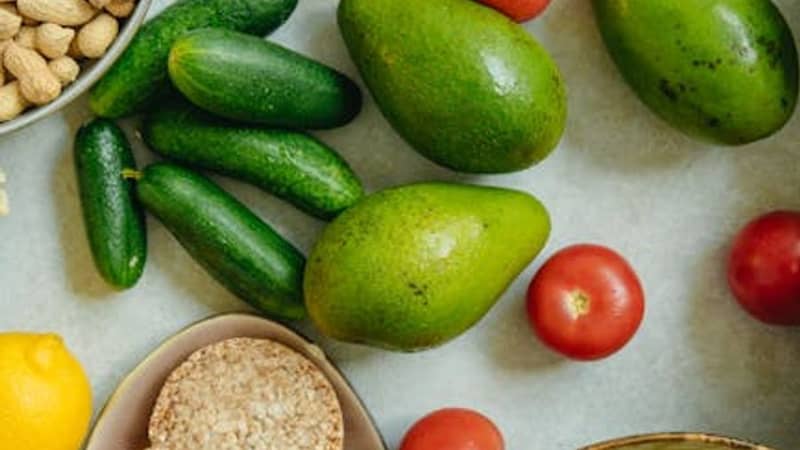
Embarking on a 7-day cholesterol-lowering diet plan is not about extreme deprivation; it’s about making smart, strategic food choices. The goal is to incorporate ingredients rich in soluble fiber, healthy fats, and antioxidants while reducing saturated and trans fats, and refined sugars. Think of this plan as a powerful reset button for your body, guiding you towards a more heart-conscious eating pattern. Let’s dive into how you can make a significant positive change in just one week! Depending on your goals, a low sodium diet plan menu can also be a perfect complement to this approach.
Day 1: Embrace the Power of Soluble Fiber
Your first day focuses on flooding your system with soluble fiber, a superstar nutrient known for its cholesterol-lowering capabilities. Soluble fiber binds to cholesterol in your digestive tract and prevents it from being absorbed into your bloodstream. Oats, barley, apples, pears, beans, and lentils are all excellent sources. Start your day with a bowl of oatmeal topped with berries and a sprinkle of chia seeds. For lunch, a hearty lentil soup with a side of whole-grain bread will provide sustained energy and fiber. Dinner could be a black bean burger on a whole-wheat bun with a large mixed green salad. Throughout the day, snack on an apple or a handful of almonds. Remember to drink plenty of water, as fiber needs water to do its job effectively. You might also find it highly effective to integrate a how to lose 10kg in a month into your overall routine.
Day 2: Introduce Healthy Fats and Omega-3s
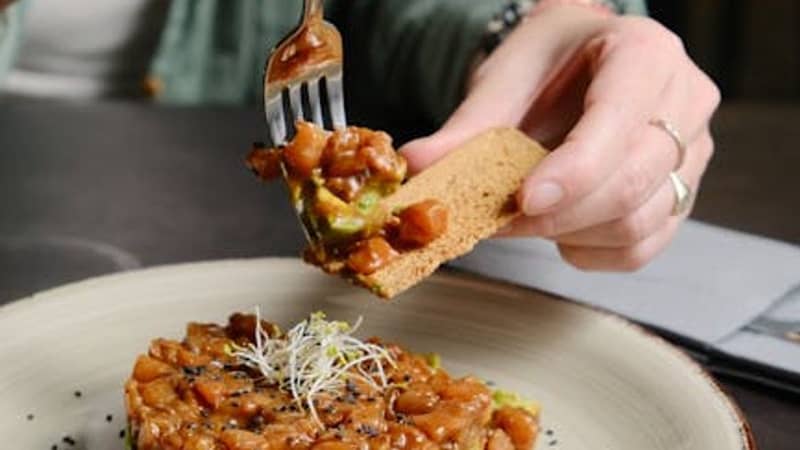
Today, we’ll focus on replacing unhealthy fats with beneficial ones. Healthy fats, particularly monounsaturated and polyunsaturated fats, can help lower LDL (bad) cholesterol and raise HDL (good) cholesterol. Oily fish like salmon, mackerel, and sardines are packed with omega-3 fatty acids, which are incredibly heart-protective. Start your day with a smoothie made with almond milk, spinach, banana, and a tablespoon of flaxseed. For lunch, a grilled salmon salad with avocado and a lemon-tahini dressing is ideal. Dinner could feature baked cod with roasted asparagus and quinoa. Snacks can include a small handful of walnuts or a few olives. Avoid processed foods, fried items, and excessive amounts of red meat, which are typically high in saturated fats.
Day 3: Load Up on Antioxidant-Rich Fruits and Vegetables
Antioxidants play a crucial role in protecting your cells from damage, including the LDL cholesterol particles that can contribute to plaque buildup in arteries. Brightly colored fruits and vegetables are packed with these protective compounds. Aim for a variety of colors at every meal. Begin your day with a vibrant fruit salad featuring strawberries, blueberries, oranges, and kiwi. For lunch, a large mixed vegetable stir-fry with brown rice and a moderate amount of tofu or chicken breast would be excellent. Dinner could be a hearty vegetable curry made with coconut milk, served with a side of steamed broccoli. Snacks can include carrots with hummus or a colorful bell pepper. The more diverse your produce intake, the wider range of antioxidants you’ll be providing your body.
Day 4: The Power of Plant Sterols and Stanols
Plant sterols and stanols are compounds found naturally in plants that have a structure similar to cholesterol. When consumed, they compete with cholesterol for absorption in the digestive system, effectively reducing the amount of cholesterol that enters your bloodstream. Many margarines, orange juices, and yogurts are fortified with these beneficial compounds. Start your day with a fortified yogurt or a glass of fortified orange juice. For lunch, a sandwich on whole-grain bread with a sterol-fortified spread. Dinner can include a plant-based meal like a robust chickpea and vegetable stew. Throughout the day, ensure you’re still incorporating plenty of fiber-rich foods like oats and beans. Reading food labels for “plant sterols” or “plant stanols” will be your guide today.
Day 5: Lean Protein and Whole Grains for Sustained Energy
Focus on lean protein sources and complex carbohydrates to maintain energy levels and support muscle health without adding unnecessary cholesterol or saturated fat. Lean proteins include poultry without the skin, fish, beans, lentils, and tofu. Whole grains provide fiber and essential nutrients. Start your day with scrambled eggs (or a tofu scramble) with spinach and a slice of whole-wheat toast. For lunch, a grilled chicken breast salad with a variety of fresh vegetables and a light vinaigrette. Dinner could be a baked chicken or turkey breast with a side of steamed green beans and a small portion of barley. Snacks can include Greek yogurt or a hard-boiled egg. This day is about building a stable energy foundation.
Day 6: Hydration and Herbal Teas
While not a food group, proper hydration is critical for overall health and can aid in flushing out toxins and supporting metabolic processes, including cholesterol management. Certain herbal teas also offer unique benefits. Start your day with a large glass of water, perhaps with a squeeze of lemon. Continue to sip water throughout the day. Consider incorporating green tea or hibiscus tea, both of which have been linked to cardiovascular benefits. For meals, focus on the principles of the previous days: fiber, healthy fats, and lean proteins. Today is also a good opportunity to review your progress and perhaps plan for continuing some of these healthy habits beyond the 7-day mark. Ensure you’re mindful of your food choices, making them count towards your health goals.
Day 7: Bringing It All Together – A Heart-Healthy Feast
On your final day of this intensive plan, the goal is to consolidate the habits you’ve cultivated. Enjoy a balanced, delicious meal that incorporates all the elements you’ve learned about. Start with a hearty breakfast of oatmeal with nuts and seeds, and a side of berries. For lunch, a substantial salad packed with leafy greens, colorful vegetables, chickpeas, and a source of lean protein like grilled shrimp or a hard-boiled egg, dressed with olive oil and balsamic vinegar. Your celebratory dinner could be a baked salmon with a side of roasted sweet potatoes and a generous portion of steamed Brussels sprouts. This day is about enjoying the fruits of your labor and reinforcing the deliciousness of a heart-healthy diet. Reflect on how you feel and the positive changes you’ve initiated.
Frequently Asked Questions
Can I really lower my cholesterol in just 7 days?
While a 7-day plan can significantly kickstart the process and show initial improvements, it’s important to understand that managing cholesterol is often a long-term journey. This plan is designed to create a noticeable positive shift and build healthy habits that, when continued, will lead to sustained cholesterol reduction and improved cardiovascular health.
What are the most important foods to include?
The most important foods to focus on are those rich in soluble fiber (oats, beans, lentils, fruits like apples and pears), healthy fats (avocado, nuts, seeds, olive oil, fatty fish), and antioxidants (colorful fruits and vegetables). Plant sterols and stanols are also beneficial when consumed regularly.
Are there any foods I absolutely must avoid?
During this 7-day plan, it’s crucial to minimize or avoid foods high in saturated and trans fats. This includes red meat, processed meats, full-fat dairy products, fried foods, baked goods, and many commercially prepared snacks. Also, limit added sugars and refined carbohydrates.
How much water should I drink?
Aim for at least 8 glasses (about 2 liters) of water per day. Staying well-hydrated is essential for digestion, nutrient absorption, and helping soluble fiber work effectively to lower cholesterol.
What if I have specific dietary restrictions or allergies?
This plan is a general guideline. If you have specific dietary restrictions, allergies, or health concerns, it’s always best to consult with a health professional or your health professional to personalize a plan that is safe and effective for you. They can help you find suitable alternatives while achieving your cholesterol goals.
Frequently Asked Questions
Can I really lower my cholesterol in just 7 days?
What are the most important foods to include?
Are there any foods I absolutely must avoid?
How much water should I drink?
What if I have specific dietary restrictions or allergies?
.png)
Written by
Sarah Mitchell
Health & Wellness Writer
Sarah Mitchell is a health and wellness writer focused on nutrition, healthy eating, and practical lifestyle topics. She creates well-researched, accessible content designed to help readers explore everyday health and wellness.