.png)
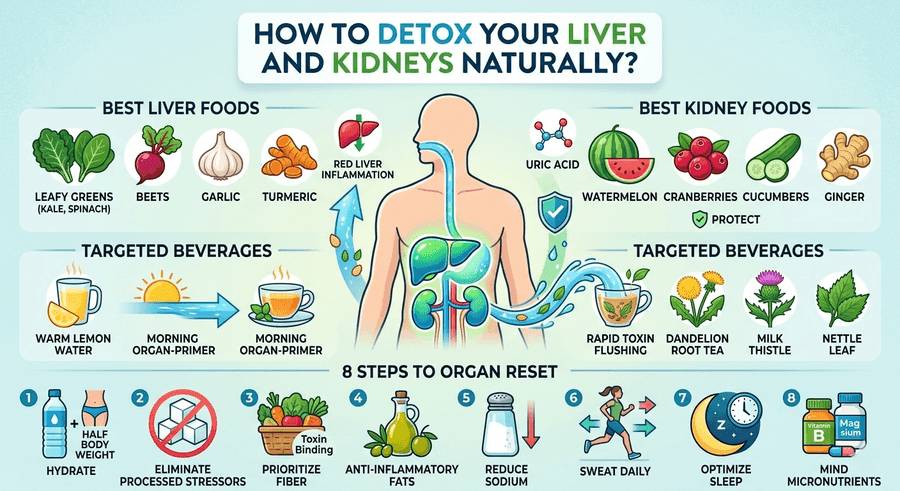
From an informational perspective, I want to start with some clarity: your liver and kidneys don’t need to be “detoxed.” They are your body’s detoxification system — working continuously to filter blood, neutralise toxins, and excrete waste. What they do need is conditions to function optimally: the right nutrients, reduced burden from harmful inputs, and sufficient hydration. This guide covers what general understanding actually supports for liver and kidney health through diet and lifestyle.
How Your Liver and Kidneys Actually Work
The liver performs over 500 functions, including filtering toxins from blood, producing bile for fat digestion, metabolising alcohol and medications, storing glycogen, and synthesising proteins. It has remarkable regenerative capacity, but sustained damage (from alcohol, obesity, or chronic inflammation) progressively reduces this ability.
The kidneys filter approximately 180 litres of blood per day, excreting waste and excess salts as urine. They also regulate blood pressure, balance electrolytes, and produce hormones involved in red blood cell production. Kidney damage is largely silent until significant function is lost — prevention through lifestyle is far more effective than approach.
What Most Harms These Organs
| Risk Factor | Liver Impact | Kidney Impact |
|---|---|---|
| Excess alcohol | Primary cause of cirrhosis and liver disease | Increases blood pressure; raises kidney disease risk |
| High added sugar | Fructose drives liver fat accumulation (NAFLD) | Contributes to hypertension and metabolic syndrome |
| High sodium intake | Minimal direct impact | Raises blood pressure; major kidney strain over time |
| Obesity | Strongest modifiable risk factor for NAFLD | Increases filtration burden; linked to chronic kidney disease |
| Dehydration | Reduces bile flow; impairs toxin excretion | Concentrates urine; increases kidney stone risk |
Foods That Genuinely Support Liver Health
Coffee
The most robustly evidenced liver-protective food in the nutrition literature. Multiple large studies and meta-analyses show 2–3 cups of coffee per day is associated with reduced risk of liver disease, cirrhosis, liver fibrosis, and hepatocellular carcinoma. Both caffeinated and decaffeinated coffee show benefits, suggesting the mechanism involves antioxidant compounds beyond caffeine.
Cruciferous Vegetables
Broccoli, cauliflower, Brussels sprouts, and kale contain glucosinolates, which support Phase II liver detoxification enzymes. These enzymes convert toxic compounds into water-soluble forms that can be excreted. Regular consumption is associated with reduced liver cancer risk in epidemiological studies.
Oily Fish
Salmon, mackerel, sardines, and herring provide omega-3 fatty acids (EPA and DHA), which reduce liver triglyceride accumulation and inflammation. nutritional studys show omega-3 supplementation reduces liver fat in people with NAFLD. Aim for 2 portions of oily fish per week.
Olive Oil
Extra virgin olive oil is associated with reduced liver enzyme levels and less liver fat accumulation. The oleocanthal and polyphenol content provide anti-inflammatory effects that support liver health. Use as your primary cooking fat.
Foods That Genuinely Support Kidney Health
Water (Primary Tool)
Adequate hydration is the most important dietary factor for kidney health in otherwise healthy people. 2–2.5 litres of fluid daily supports efficient waste excretion and significantly reduces kidney stone risk. Urine should be pale yellow — dark urine indicates insufficient hydration.
Berries
Blueberries, cranberries, and strawberries are high in antioxidants and relatively low in potassium — making them kidney-friendly fruits. Cranberries specifically prevent certain bacteria from adhering to the urinary tract, reducing UTI risk. Cranberry juice without added sugar is preferable.
Cauliflower, Cabbage and Garlic
These vegetables are low in potassium and phosphorus (important for those with kidney disease), high in fibre, and contain anti-inflammatory compounds. Garlic in particular provides allicin, which has shown protective effects on kidney tissue in animal studies.
The Most Effective Lifestyle Actions
- Reduce or eliminate alcohol — the single highest-impact change for liver health
- Maintain a healthy body weight — reduces NAFLD risk and kidney filtration burden
- Limit added sugar, particularly from sweetened drinks — fructose directly drives liver fat
- Reduce sodium — most important modifiable diet factor for kidney blood pressure management
- Stay hydrated — 2–2.5 litres of fluid daily
- Eat 5+ portions of vegetables daily — provides antioxidants, fibre, and anti-inflammatory compounds
- Exercise regularly — improves both liver and kidney function through metabolic and vascular effects