12 Hobbies for Stress Relief: Evidence-Based Activities to Calm Your Mind

    Sarah MitchellSarah Mitchell·

    Discover 12 science-backed hobbies for stress relief. From gardening to journaling, learn which activities calm your mind and improve mental wellness.

    A peaceful flat-lay scene captures creative hobby items like an open notebook, art supplies, and wireless earbuds resting on a bright, sunlit surface.

    Stress is something most people deal with every single day. Work deadlines, personal challenges, and constant digital noise can leave your mind feeling overwhelmed and exhausted. Finding a healthy way to unwind is not a luxury. It is a basic need for your mental and physical wellbeing.

    The most effective hobbies for stress relief include gardening, yoga, journaling, painting, walking in nature, reading, and music. These activities reduce cortisol, calm the nervous system, and improve mood. They work by redirecting mental energy away from anxious thoughts and toward something purposeful and enjoyable. Individual results may vary depending on personal preference and consistency.

    Key Takeaways

    • Hobbies reduce stress by lowering cortisol, increasing dopamine, and activating the relaxation response in the nervous system.
    • Active hobbies like yoga and walking, creative hobbies like painting, and mental hobbies like reading all reduce stress through different but complementary mechanisms.
    • Consistency matters more than duration. Even 15 to 20 minutes of a relaxing hobby daily produces measurable benefits over time.
    • Mindfulness exercises for overthinking like journaling, meditation, and breathwork directly address the thought loops that fuel anxiety.
    • The best hobby is one you genuinely enjoy. Perceived obligation reduces the stress-relief benefit of any activity.

    Why Hobbies Are Effective for Stress Relief

    When you are stressed, your body activates its fight-or-flight response. Your heart rate rises, muscles tighten, and your mind races. Hobbies interrupt that cycle naturally.

    Engaging in a hobby you enjoy triggers the release of dopamine, a chemical in the brain linked to motivation and pleasure. It also lowers cortisol, the primary stress hormone. This is why even 20 to 30 minutes of a relaxing hobby can shift how you feel.

    Mental hobbies like puzzles or reading engage your prefrontal cortex, which helps regulate emotional responses. Active hobbies like walking or yoga release physical tension stored in the body. Both approaches work, and combining them is even more effective.

    12 Best Hobbies for Stress Relief

    These hobbies are supported by psychological research and wellness professionals. You do not need to try all of them. Start with one that feels appealing and build from there.

    1. Gardening

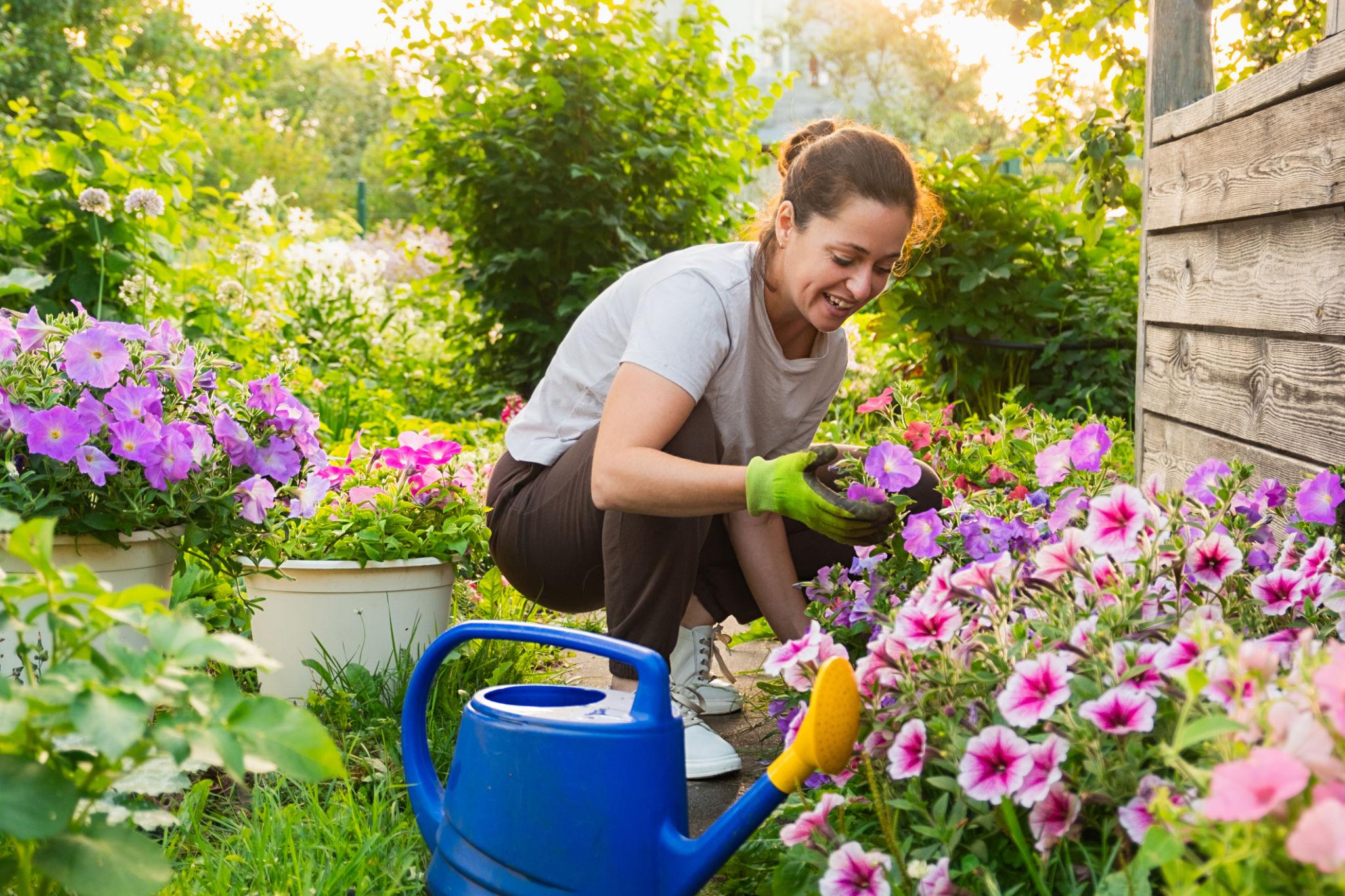
    Gardening is one of the most researched stress relieving hobbies. Contact with soil has been shown to activate serotonin pathways in the brain. The rhythm of planting, watering, and nurturing something living brings a deep sense of calm.

    You do not need a large garden to benefit. A few pots on a balcony or windowsill can provide the same effect. Gardening also encourages you to spend time outdoors, which adds additional mental health benefits through natural light and fresh air.

    • Start with easy-to-grow herbs like basil, mint, or rosemary
    • Spend at least 15 minutes outdoors while tending to plants
    • Focus on the physical sensations of soil and water to stay present

    2. Yoga

    Yoga combines mindful movement, controlled breathing, and relaxation techniques. It is one of the most effective hobbies for mental health because it addresses stress on both a physical and psychological level.

    Even beginner-level yoga reduces muscle tension and activates the parasympathetic nervous system, which is your body's natural rest-and-digest state. Regular practice can lower anxiety, improve sleep, and build emotional resilience over time.

    • Begin with gentle or restorative yoga if you are new to the practice
    • Practice for just 15 minutes in the morning to set a calmer tone for the day
    • Use free video tutorials to start at home with no equipment needed

    3. Journaling

    Writing down your thoughts serves as one of the best mindfulness exercises for overthinking. When your mind is full of swirling worries, putting words on paper helps your brain process and release them rather than cycling through them repeatedly. If you find yourself trapped in negative mental loops, discovering strategies on how to stop overthinking through daily writing can be life-changing..

    Journaling does not need to be structured or literary. You can write about how you feel, list things you are grateful for, or simply describe your day. The act of externalizing thoughts creates mental distance and a sense of relief.

    • Try a five-minute brain dump before bed to clear your mind
    • Use gratitude journaling to shift focus toward positive experiences
    • Do not worry about grammar or spelling. Just write freely

    4. Painting or Drawing

    Creative activities like painting, sketching, or coloring engage what psychologists call flow state. This is a mental condition where you are fully absorbed in an activity and lose track of time. During flow, stress-related thoughts fade into the background.

    You do not need artistic talent to benefit. Adult coloring books, watercolor sets, and simple sketching pads are all accessible starting points. The goal is creative expression, not a finished masterpiece.

    • Start with adult coloring books for an easy, low-pressure introduction
    • Set aside 20 minutes with no phone or distractions
    • Focus on the sensory experience of color, texture, and movement

    5. Walking in Nature

    Walking outdoors, especially in green or natural settings, is one of the simplest and most accessible active hobbies for stress relief. Research consistently shows that spending time in nature lowers blood pressure, reduces cortisol, and improves mood.

    A 20-minute walk in a park or quiet neighborhood is enough to produce measurable calming effects. You do not need a forest or mountain trail; discovering how to stay active during the day by walking in any outdoor space with trees, grass, or open sky can provide deep mental restoration.

    • Leave your phone in your pocket and practice mindful observation
    • Notice five things you can see, four you can hear, and three you can feel
    • Walk at a comfortable pace and focus on breathing naturally

    6. Reading

    Reading is one of the most effective relaxing hobbies available. Research from the University of Sussex found that reading for just six minutes can reduce stress levels by up to 68 percent. The act of immersing yourself in a story creates cognitive distance from your own worries.

    Fiction, non-fiction, and poetry all provide mental benefits. If your evening stress is keeping you awake, turning pages is a highly recommended lifestyle change found in clinical tips for better sleep and health.

    • Keep a book on your nightstand and read before sleep instead of scrolling
    • Try audiobooks if sitting still feels difficult when you are anxious
    • Start with short stories or light fiction if you struggle with concentration

    7. Playing a Musical Instrument

    Learning or playing music engages multiple areas of the brain simultaneously, making it one of the most cognitively rewarding hobbies to reduce stress. The combination of coordination, pattern recognition, and emotional expression creates a natural meditative state.

    You do not need to play at a professional level to benefit. Even strumming a few chords on a guitar or playing simple melodies on a keyboard provides stress relief. The process of learning itself shifts your attention entirely away from worries.

    • Try ukulele, keyboard, or harmonica as beginner-friendly starting points
    • Practice for 15 to 20 minutes daily rather than long infrequent sessions
    • Focus on enjoyment rather than perfection

    8. Cooking or Baking

    Cooking engages all five senses and requires focused attention, making it a natural mindfulness practice. The combination of creativity, sensory engagement, and a tangible result makes cooking one of the most satisfying hobbies to start for stress relief.

    Baking in particular has a rhythmic, repetitive quality that many people find meditative. Measuring ingredients, kneading dough, and watching something rise all require present-moment focus that quiets anxious thoughts.

    • Start with simple recipes that have few steps and familiar ingredients
    • Cook without multitasking. Turn off screens and focus on the process
    • Share what you make with others to add a social connection benefit

    9. Knitting or Crocheting

    Repetitive hand movements combined with focused attention make knitting and crocheting excellent mental hobbies for anxiety relief. The rhythmic motion activates the relaxation response in a way similar to meditation.

    These are also portable hobbies that work well during waiting times, commutes, or evenings at home. The progressive nature of seeing a project grow gives a sense of accomplishment that builds positive emotion over time.

    • Start with a simple scarf pattern using thick yarn and large needles
    • Watch online tutorials for visual guidance on basic stitches
    • Join a local or online crafting group to add a social element

    10. Meditation and Breathwork

    While meditation may feel like a practice rather than a hobby, many people find it most effective when approached with the same curiosity and consistency they give to any hobby they enjoy. Mindfulness exercises for overthinking are among the most evidence-backed stress management tools available.

    Breathwork techniques like box breathing, 4-7-8 breathing, and diaphragmatic breathing directly activate the vagus nerve, shifting your body out of stress response within minutes. These tools are free, portable, and require no equipment.

    • Start with guided meditations of five to ten minutes using a free app
    • Practice box breathing: inhale for 4 counts, hold for 4, exhale for 4, hold for 4
    • Try a body scan meditation before sleep to release physical tension

    11. Swimming or Gentle Exercise

    Physical movement is one of the most reliable ways to reduce stress. Swimming in particular combines rhythmic movement, controlled breathing, and sensory immersion in a way that is deeply calming for most people.

    You do not need to swim laps intensely. Gentle movement through water, floating, or water aerobics all provide the same nervous system calming effect. Other forms of gentle exercise like cycling, tai chi, or stretching routines offer similar benefits.

    • Choose movement you genuinely enjoy rather than what feels like obligation
    • Aim for 20 to 30 minutes of gentle physical activity most days of the week
    • Treat exercise as a hobby and leisure activity rather than a chore

    12. Volunteering or Helping Others

    Acts of service consistently reduce stress and improve mental wellbeing. Volunteering shifts your focus outward, replacing self-focused worry with purposeful action. The social connection involved also activates brain pathways linked to belonging and trust.

    Helping others activates what researchers call the helper's high, a release of endorphins and oxytocin triggered by prosocial behavior. Regular volunteering is associated with lower rates of depression, anxiety, and loneliness.

    • Start with one to two hours per week at a local organization
    • Look for volunteer roles aligned with your existing interests or skills
    • Consider virtual volunteering options if time or mobility is limited

    How to Find a Hobby That Actually Relieves Your Stress

    Many people know they need a hobby but do not know where to start. The best approach is to begin with what draws your natural curiosity rather than what seems impressive or productive.

    1. Think about activities you enjoyed as a child before productivity pressure existed
    2. Consider whether you prefer solo activities, social ones, or a mix of both
    3. Choose something with a low barrier to entry so you can start today
    4. Give any new hobby at least three to four weeks before deciding if it works for you
    5. Allow your hobby time to be genuinely unproductive. The goal is restoration, not achievement

    Active hobbies like walking or yoga tend to work quickly for acute stress. Creative hobbies like painting or journaling often provide deeper long-term emotional processing. Mental hobbies like reading or puzzles are excellent for quieting overthinking. A combination based on your personality is most effective.

    Expert Insights: What Health Professionals Recommend

    Mental health professionals often recommend hobbies as a complementary tool alongside therapy, medication, or other treatments for anxiety and depression. To understand how these everyday practices mesh with internal mindsets, it can be helpful to compare and contrast mental health and emotional health to see where lifestyle choices fit in.

    Healthy Habits Around Hobbies

    • Consistency matters more than duration: Even 15 minutes daily provides a measurable benefit.
    • Avoid turning hobbies into performance: The moment a hobby becomes about achievement or monetization, its stress-relief value drops significantly.
    • Combine your habits: A walk that also includes mindful breathing combines two stress-relief strategies seamlessly.
    • Protect your sleep: Sleep quality improves dramatically when relaxing hobbies replace evening screen time.
    • Support your body: Proper nutrition and hydration support your ability to engage with hobbies. Poor nutrition increases cortisol reactivity.
    • Counteract isolation: If stress is connected to loneliness, prioritize hobbies with a social component such as group classes, team sports, or community volunteering.

    Hobbies are not a substitute for professional care when it is needed, but they are a meaningful and accessible part of a complete wellness plan.

    Conclusion

    Stress is a universal experience, but it does not have to define how you feel every day. The 12 hobbies covered in this guide offer a range of accessible, evidence-based options for anyone ready to invest in their mental wellness.

    Whether you pick up gardening, start a journal, take a daily walk, or try your hand at painting, the most important step is simply beginning. You do not need the perfect hobby or the perfect conditions. You need a consistent space in your week to do something that restores rather than depletes you.

    Start with one hobby this week. Give it two to three weeks of regular practice. Notice how you feel. If it works, keep going. If it does not, try another from this list. Your mental health is worth the experiment.

    If you are dealing with persistent anxiety, depression, or burnout, consider speaking with a healthcare professional. Hobbies are a powerful tool, and they work best as part of a complete and personalized wellness plan.

    Frequently Asked Questions

    Which hobbies reduce stress the most?

    Yoga, gardening, walking in nature, journaling, and reading consistently rank among the most effective hobbies for stress relief according to psychological research. Physical movement combined with present-moment focus tends to produce the strongest and fastest results. That said, individual preference plays a significant role. The most effective hobby is one you genuinely look forward to.

    What is the 5 hobby rule?

    The 5 hobby rule is a wellness framework suggesting you maintain five types of hobbies: one that earns income or builds a skill, one physical, one creative, one intellectual, and one that benefits others. It encourages a balanced approach to leisure that supports mental, physical, and social wellbeing simultaneously.

    What is the 3 3 3 rule for stress?

    The 3 3 3 rule is a grounding technique for acute stress. You name three things you can see, three things you can hear, and then move three parts of your body. This technique pulls your attention into the present moment and breaks the cycle of anxious thinking within a few minutes.

    How to trick your body into not being stressed?

    You cannot permanently trick your body, but you can reliably activate its relaxation response. Slow diaphragmatic breathing is the most immediate tool. Exhaling longer than you inhale signals safety to your nervous system. Cold water on your face, physical movement, and spending even a few minutes in nature also shift your body out of fight-or-flight quickly.

    What is the number one worst habit for anxiety?

    Avoidance is widely considered the most counterproductive habit for anxiety. When you avoid situations, thoughts, or feelings that feel threatening, anxiety grows stronger over time rather than fading. Engaging with manageable challenges, including through relaxing hobbies that build confidence and present-moment focus, gradually reduces the anxiety response.

    Sarah Mitchell

    Written by

    Sarah Mitchell

    Health & Wellness Writer

    Sarah Mitchell is a health and wellness writer focused on nutrition, healthy eating, and evidence-based lifestyle topics. She creates well-researched, practical content designed to help readers make informed decisions about their everyday health.